From Showroom to Repair Shop: A Guide to Vehicle Purchase and Maintenance
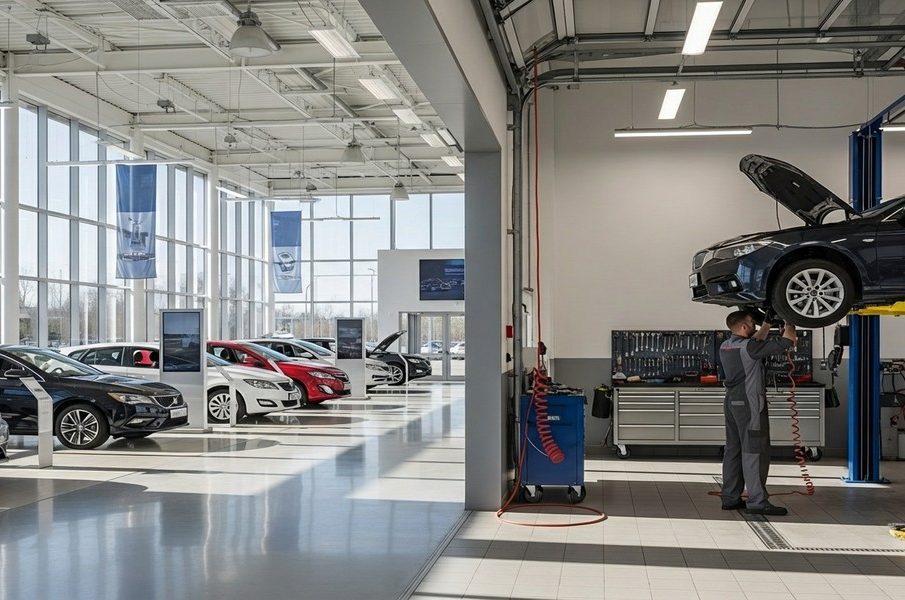
The Buyer’s Journey: From Showroom to Driveway
For many, a vehicle represents more than just transportation; it’s a major investment and a key to daily life. The journey from selecting a car to keeping it reliably on the road involves many important decisions. We believe that understanding these steps is vital for every owner.
We know that navigating automotive sales and repair can be complex. From exciting showroom visits to unexpected repair needs, knowing what to expect can save you time, money, and stress. Our goal is to empower you with the knowledge to make smart choices at every turn.
This extensive guide will take you through the entire vehicle ownership experience. We will explore how to buy wisely, understand your consumer rights, and ensure your vehicle receives the best care. Prepare to become a more informed and confident automotive consumer.
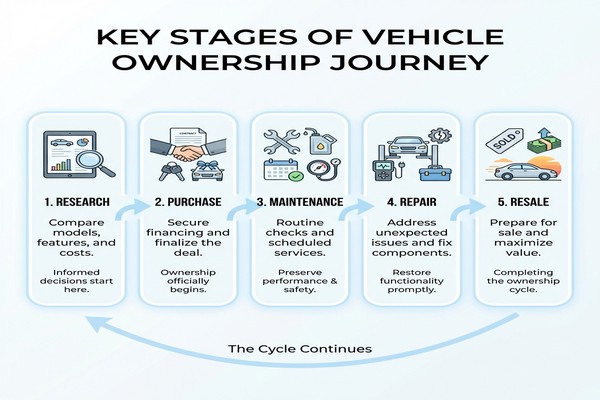
The journey of vehicle ownership is continuous, involving distinct phases that demand careful consideration and informed decisions. From the initial excitement of research and purchase to the ongoing commitment of maintenance and repair, and eventually, resale, each stage plays a crucial role in your overall experience and the long-term value of your investment. Empowering consumers with knowledge at every turn ensures a smoother, more satisfying, and ultimately, more cost-effective journey.
The path to vehicle ownership begins with understanding the various avenues available for purchase and the regulations that govern them. Whether you’re in the market for a brand-new model or a pre-owned gem, the landscape of automotive sales offers diverse options.
Different Types of Automotive Sales Businesses
- Franchised Dealerships: These sell new vehicles from specific manufacturers (e.g., Ford, Dodge, Ram, Chevrolet, Jeep, Chrysler) and often include a used car department. They typically offer comprehensive services, including financing, trade-ins, and parts and service departments. Many offer a seamless experience from sales to ongoing maintenance.
- Independent Used Car Lots: These businesses specialize exclusively in selling pre-owned vehicles of various makes and models. They often source vehicles from auctions, trade-ins, or other dealers. Businesses like Tim’s Automotive Repair & Used Car Sales in Nanaimo, established since 1982, demonstrate how some operations successfully combine repair services with used car sales, often building trust through long-standing community presence.
- Private Sellers: Individuals selling their own vehicles directly to other consumers. While potentially offering lower prices, these transactions come with fewer consumer protections and often require more due diligence from the buyer.
- Online Retailers: A growing segment, these platforms allow consumers to browse, purchase, and sometimes even finance vehicles entirely online, with delivery options available.
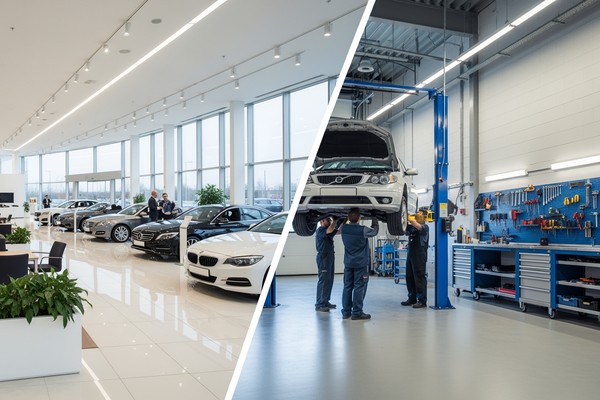
Regulations and Licensing Requirements
In Canada, and particularly in provinces like British Columbia, robust regulations are in place to protect consumers and ensure fair practices in automotive sales. The Vehicle Sales Authority of British Columbia (VSA) serves as the provincial regulator, overseeing the retail sales of personal-use motor vehicles. Their mandate is to engage and educate consumers and the industry, build public confidence, and ensure a safe and reliable motor vehicle buying experience.

The VSA’s impact is significant. In fiscal year 2026 (April 1, 2025 – September 30, 2025), they assisted with 2,740 consumer issues, encompassing enquiries, complaints, and Motor Dealer Customer Compensation Fund (MDCCF) claims. This highlights their active role in resolving consumer concerns. The sheer scale of the regulated industry is impressive, with the VSA overseeing 3,225 Licensed Businesses and 9,206 Licensed Individuals. They also completed 265 Investigations and 639 Inspections, demonstrating a proactive approach to compliance.
Consumers can verify if a dealer or salesperson is licensed by using the VSA’s online Licensee Directory, a crucial step in ensuring you’re dealing with a reputable entity. This helps avoid “curbers” – unlicensed individuals selling vehicles for profit, often without proper disclosures or consumer protections.
Best Practices for Vehicle Purchasing
Making an informed purchase requires more than just finding the right vehicle; it involves a strategic approach to the buying process itself.
- Test Drives: Always take a thorough test drive. Pay attention to how the vehicle handles, accelerates, brakes, and if there are any unusual noises or vibrations. Consider driving it on various road types you typically encounter.
- Pre-Purchase Inspections (PPI): For used vehicles, a PPI by an independent, trusted mechanic is invaluable. This can uncover hidden issues that might not be apparent during a test drive or visual inspection, potentially saving you from significant repair costs down the line.
- Price Negotiation: Research market values for the vehicle you’re interested in. Don’t be afraid to negotiate the price, and remember that financing rates and trade-in values are also negotiable components of the deal. Many dealerships offer various specials and promotions that can impact the final price.
- Understanding Financing Terms: Before signing any documents, thoroughly understand the loan terms, including the interest rate, loan duration, and total cost. Be aware that finance placement fees are negotiable. You can explore financing options and even get pre-approved through resources like a dealership’s financing application page.
- Trade-in Valuation: If you’re trading in your current vehicle, research its market value beforehand. This will help you negotiate a fair price and avoid common pitfalls. Tools like instant cash offer or trade-in forms can provide initial estimates.
Decoding Warranties and Service Contracts
Understanding the distinctions between auto warranties and auto service contracts is paramount to protecting your investment. While often confused, they serve different purposes and offer varying levels of protection.
According to the Federal Trade Commission (FTC), an auto warranty is a promise to fix certain defects or malfunctions during a specific timeframe after you buy a vehicle. A manufacturer’s warranty is included in the price of a new vehicle and often covers it for a certain number of months or miles. Used vehicles might also come with some type of warranty coverage. Critically, dealers cannot deny your warranty coverage if you had routine maintenance or repairs done by an independent mechanic, though they can require you to use their chosen facilities if the warranty work is free.
An auto service contract, sometimes misleadingly called an “extended warranty,” is an optional, separate purchase. These contracts are sold by vehicle manufacturers, dealers, or independent companies, agreeing to perform or pay for certain repairs or services outlined in the contract, typically for a specific duration or mileage. Legally, an auto service contract is not a warranty because it’s bought separately and is subject to different regulations.
When considering a service contract, consumers should exercise caution. Many unsolicited calls or mail warning of an “expiring warranty” are often scams designed to pressure you into buying potentially worthless contracts. Before purchasing, compare it to your manufacturer’s warranty. Look out for:
- Coverage dates and duration: Does it overlap with your existing warranty?
- Cost: Service contracts can range from several hundred to several thousand dollars.
- Company reputation: Research the company offering the contract.
- What’s covered (and limitations): Many contracts only cover “mechanical breakdowns” and exclude normal wear and tear or damage from aftermarket parts.
- Claims process: Understand how to get service, if pre-approval is needed, and the reimbursement process.
- Depreciation factors: Some contracts pay only a partial repair cost based on vehicle mileage.
Here’s a quick comparison:
Always get all details in writing and read the fine print. If you have problems with an auto service contract, contact your dealer or the contract company. If unresolved, report it to your state attorney general or the FTC.
A Consumer’s Guide to Automotive Sales and Repair
Navigating the automotive industry requires a keen awareness of your rights and potential pitfalls. Whether you’re buying a car or getting it serviced, being an informed consumer is your best defense against scams and unfair practices.
Consumer Rights and Responsibilities
When buying a vehicle, your rights are often enshrined in provincial or state consumer protection laws. For instance, in Ontario, the Consumer Protection Act, 2002 and Ontario Regulation 17/05 provide broad marketplace protections, regulating most consumer-to-business transactions, including automotive sales and repair. Key rights include:
- Right to Disclosure: Sellers must provide clear, accurate information about the vehicle’s history, condition, and price. This includes a detailed bill of sale.
- Protection Against Misrepresentation: Dealers cannot make false or misleading statements about a vehicle.
- Cooling-off Periods: While not universally applicable to vehicle purchases, some jurisdictions may offer limited cooling-off periods, allowing buyers to cancel a contract within a certain timeframe. Always check local regulations.
Your responsibilities as a consumer include doing your due diligence-researching, asking questions, and understanding all documentation before signing.
Common Scams or Pitfalls
The automotive sales and repair industry, unfortunately, has its share of unscrupulous operators. Being aware of common scams can help you protect yourself:
- “Yo-yo” Financing: This scam involves a dealer letting you drive off with a car before finalizing the financing, only to call you back days later claiming the financing fell through and demanding a higher interest rate or larger down payment.
- Hidden Fees: Watch out for unexplained charges or fees added at the last minute. Every fee should be clearly itemized and explained.
- Bait-and-Switch Tactics: Advertising a vehicle at a very low price that is “unavailable” when you arrive, then trying to sell you a more expensive model.
- “Curbers”: As mentioned by the VSA, these are unlicensed individuals selling vehicles for profit. They often operate without proper business licenses, offer no consumer protections, and may sell vehicles with undisclosed issues. Buying from a licensed dealer helps you avoid these risks and can even open up tax savings in BC.
- Unnecessary Repairs: In the repair sector, some shops may recommend or perform services that aren’t truly needed, or exaggerate the severity of a problem.
- Inflated Prices: Charging exorbitant prices for parts or labor compared to industry standards.
Always get everything in writing, read contracts carefully, and never feel pressured to make a decision on the spot.
The Role of a Full-Service Dealership in Automotive Sales and Repair
Full-service dealerships play a pivotal role in the automotive ecosystem, offering a comprehensive suite of services that cater to the entire vehicle ownership lifecycle. For many consumers, the convenience and expertise found at a dealership make it a preferred choice.
One of the primary advantages is the one-stop-shop convenience. From purchasing a new or used vehicle to securing financing, trading in an old car, ordering parts, and receiving expert service, a full-service provider offers a comprehensive Platte Valley auto sales repair experience under one roof. This streamlines the process and builds a continuous relationship with a single entity. For instance, many reputable dealerships offer integrated sales and service centers for a seamless ownership experience. You can explore their new inventory, used inventory, financing options, and service departments all in one place. They also frequently run specials on new and used vehicles, parts, service, and financing, which can be found on their promotions pages.
Dealerships typically employ factory-trained and certified technicians who specialize in specific brands. This means they have in-depth knowledge of your vehicle’s make and model, access to proprietary diagnostic tools, and the latest technical information directly from the manufacturer. They also use Original Equipment Manufacturer (OEM) parts, which are designed to fit and function precisely as the original components, often backed by warranties.
Beyond sales and service, dealerships often provide additional benefits like:
- Warranty Support: They are equipped to handle warranty repairs for the brands they represent, ensuring that covered issues are addressed correctly.
- Recall Services: Dealerships are the primary point of contact for safety recalls, performing necessary repairs or replacements at no cost to the owner.
- Customer Service: Many strive to build long-term relationships, offering amenities like shuttle services, loaner vehicles, and comfortable waiting areas.
For those seeking a comprehensive and integrated approach to their vehicle needs, exploring the offerings of a full-service provider can be highly beneficial.
Navigating Regulations in Automotive Sales and Repair
Understanding the regulatory landscape is crucial for both consumers and businesses in the automotive sector. These regulations are designed to ensure fair practices, protect consumer rights, and maintain industry standards.
In Canada, provincial bodies like the Vehicle Sales Authority (VSA) of British Columbia and Ontario’s Ministry of Public and Business Service Delivery and Procurement (which oversees the Consumer Protection Act, 2002) are key players. The VSA, for example, provides a vital service through its Licensee Directory, allowing consumers to search for licensed businesses and salespeople. This tool is indispensable for verifying the legitimacy of a seller or dealer.
For consumers encountering issues, regulatory bodies often provide dispute resolution processes. The VSA offers a “My Self-Help” tool to guide consumers through understanding their legal rights and initiating issue resolution with dealers. If direct resolution fails, consumers can often report issues to their provincial consumer protection agency or the Attorney General’s office. The VSA also manages the Motor Dealer Customer Compensation Fund (MDCCF), which can assist consumers in specific scenarios.
A significant protection in Ontario’s automotive repair sector is the mandatory warranty. The CPA imposes a mandatory warranty on all new or reconditioned parts installed and the labour required to install them, for a minimum of 90 days or 5,000 kilometres, whichever comes first. This ensures a basic level of quality assurance for repair work. Similar consumer protections regarding estimates, invoices, and authorization for repairs are common across various jurisdictions, as seen in California’s Bureau of Automotive Repair (BAR) guidelines. These regulations often stipulate that repair shops must provide written estimates, obtain authorization before performing work, and provide detailed invoices.
By leveraging the resources and understanding the protections offered by these regulatory bodies, consumers can steer the automotive sales and repair journey with greater confidence and security.
Maintaining Your Investment: The World of Auto Repair
Once you’ve purchased your vehicle, the focus shifts to maintaining its performance, safety, and longevity. The world of auto repair is vast, encompassing everything from routine check-ups to complex diagnostics and specialized services.
Services Offered by Automotive Repair Shops
Automotive repair shops generally fall into a few categories, each with its own strengths:
- Dealership Service Centers: As discussed, these offer brand-specific expertise, factory-trained technicians, and OEM parts. They are ideal for warranty work and complex issues requiring specialized diagnostic tools.
- Independent Repair Shops: These shops, like Fraser’s Auto Service in Winnipeg or Ocean Park Automotive in Surrey, BC, often provide quality auto repair services for any make or model of car, van, or truck. They can be a cost-effective alternative to dealerships for routine maintenance and many common repairs. Tim’s Automotive Repair in Nanaimo, operating since 1982, also exemplifies a long-standing independent shop known for its community presence and personalized service.
- Specialty Shops: These focus on specific areas, such as brakes, transmissions, tires, or auto body work. Ocean Park Automotive, for example, highlights its specialization in a broad spectrum of vehicles, including hybrids, heavy-duty trucks, traditional ICE engines from foreign and domestic brands, as well as diesel vehicle repairs, RVs, and fleet management.
Common Types of Repairs
Regular maintenance and timely repairs are crucial. Common services and repairs include:
- Preventive Maintenance: This is key to avoiding major breakdowns. It includes:
- Oil Changes: Regular oil and filter replacements are fundamental for engine health.
- Tire Rotation and Balancing: Extends tire life and ensures even wear.
- Brake Service: Inspection and replacement of pads, rotors, and fluid.
- Fluid Checks and Flushes: Transmission fluid, coolant, power steering fluid, etc.
- Filter Replacements: Air filters, cabin filters, fuel filters.
- Battery Checks: Ensuring optimal charging and performance.
- Engine Diagnostics: Modern vehicles rely heavily on computer systems. Shops use advanced diagnostic tools to pinpoint issues indicated by warning lights (e.g., “check engine” light).
- Transmission Repair: From fluid changes to complete overhauls.
- AC Repair & Recharge: Maintaining comfortable cabin temperatures.
- Suspension and Steering Repairs: Addressing issues with shocks, struts, ball joints, and alignment.
- Exhaust System Repairs: Fixing leaks, replacing mufflers, or catalytic converters.
Your Rights at the Repair Shop
Just as in sales, consumers have specific rights when getting their vehicles repaired. These rights are designed to foster transparency and prevent fraudulent practices.
- Written Estimates: Always request a written estimate before any work begins. This document should detail the parts needed, the labor involved, and the estimated cost. In Ontario, for example, the final invoice cannot exceed the written estimate by more than 10% without your further authorization.
- Authorization for Work: A repair shop must obtain your explicit authorization before performing any work, especially if additional repairs are finded during the process. This can be verbal, but it’s best to have it in writing.
- Itemized Invoices: Upon completion of the work, you should receive a detailed invoice listing all parts supplied (specifying if they are new, reconditioned, or used), labor charges, and any other fees.
- Right to Returned Parts: You generally have the right to request your old parts back, unless they are subject to a “core charge” (where the old part is returned to the supplier for remanufacturing) or must be returned under warranty.
- Mandatory Parts & Labor Warranty: As seen in Ontario, there is often a mandatory warranty on new or reconditioned parts and the labor to install them, typically for a minimum duration (e.g., 90 days or 5,000 kilometers). This provides recourse if a repair fails shortly after being completed.
Best Practices for Choosing a Reputable Automotive Repair Shop
Choosing the right repair shop is crucial for quality service and peace of mind.
- Seek Recommendations: Ask friends, family, or colleagues for their trusted repair shops.
- Check Licensing and Certifications: In regulated areas, ensure the shop is licensed. Look for certifications like the Automotive Service Excellence (ASE) seal, which indicates technicians meet basic standards of knowledge.
- Get Multiple Estimates: For significant repairs, obtaining estimates from two or three different shops can help you compare pricing and proposed solutions.
- Understand the Warranty: Inquire about the shop’s warranty on parts and labor for the specific repair.
- Communication is Key: A reputable shop will communicate clearly, explain repairs in understandable terms, and answer all your questions.
Common Scams and Pitfalls in Repair
- Unnecessary Repairs: Be wary of shops that pressure you into extensive repairs without a clear diagnosis or explanation.
- “Fluid Flushes” for Everything: While some fluid flushes are necessary, some shops recommend them excessively or for systems that don’t require them.
- Phantom Parts/Labor: Charging for parts not installed or labor not performed. Always check your invoice carefully.
- Bait-and-Switch Pricing: Advertising a low price for a service, then finding numerous “additional” issues once the vehicle is in the bay, significantly increasing the cost.
By being informed about your rights and following best practices, you can confidently choose a repair shop and ensure your vehicle receives the care it needs.
Cosmetic and Collision Repair
Beyond mechanical repairs, the automotive industry also encompasses cosmetic and collision repair, addressing damage to a vehicle’s exterior and structural components. This specialized field includes services such as:
- Auto Body Work: Repairing dents, scratches, and damage to body panels.
- Dent Removal: Techniques like paintless dent repair (PDR) for minor dents.
- Frame Straightening: For vehicles involved in significant collisions, ensuring the vehicle’s structural integrity is restored to factory specifications.
- Paint Refinishing: Matching and applying new paint to damaged areas, often requiring specialized equipment and expertise.
The quality of materials used in cosmetic and collision repair is paramount, especially when it comes to paint. The importance of using high-quality Paint for automotive repair cannot be overstated. These specialized refinishing supplies ensure a durable, long-lasting, and factory-matched finish, protecting the vehicle’s appearance and resale value. Companies like Automotive Sales Co Ltd., with over 70 years of experience as a premier refinishing supplier, demonstrate the deep expertise available in this niche. They specialize in products like automotive paints, marine paints, and industrial paints, highlighting the precision and quality required for a flawless finish.
The Future of Automotive Service and Ownership
The automotive industry is in a constant state of evolution, driven by rapid technological advancements and changing consumer demands. This dynamic environment is reshaping both how we buy vehicles and how they are maintained.
Technology’s Impact
Technology is perhaps the most significant disruptor in automotive sales and repair:
- Online Sales Platforms: The rise of online retailers and digital showrooms is making vehicle purchasing more accessible and convenient, allowing consumers to research, compare, and even buy cars from home.
- Advanced Diagnostic Tools: Modern vehicles are essentially computers on wheels. Repair shops now rely on sophisticated diagnostic software and hardware to identify and troubleshoot issues, moving far beyond traditional mechanical diagnostics.
- Advanced Driver-Assistance Systems (ADAS) Calibration: Features like adaptive cruise control, lane-keeping assist, and automatic emergency braking rely on complex sensors and cameras. Any repair involving these systems, even a windshield replacement, requires precise calibration to ensure they function correctly.
- Electric Vehicle (EV) Maintenance: The shift to EVs introduces new maintenance requirements, focusing on battery health, electric motor diagnostics, and specialized high-voltage system servicing, different from traditional internal combustion engine (ICE) vehicles. The industry is adapting, with manufacturers like Stellantis making strategic shifts in their EV and PHEV lineups, and GM adjusting its EV production footprint, signaling a dynamic market.
- Over-the-Air (OTA) Software Updates: Vehicles are increasingly receiving software updates wirelessly, similar to smartphones. These updates can improve features, fix bugs, and even improve performance, blurring the lines between traditional hardware and software maintenance.
- Autonomous Driving Technology: Ford’s plans to offer an eyes-off, hands-free driving system by 2028 illustrate the rapid progression towards autonomous capabilities, which will introduce new complexities in repair and liability.
Trends and Future Outlook
The automotive sales and repair market is ready for significant change:
- Autonomous Vehicles: While fully autonomous vehicles are still some way off, the increasing integration of self-driving features will change the nature of vehicle ownership, potentially leading to new business models like ride-sharing fleets and reduced personal ownership.
- Subscription-Based Ownership: Some manufacturers are exploring models where consumers pay a monthly fee for access to a vehicle, rather than outright ownership, which could include maintenance and insurance.
- Sustainability in Repairs: Growing environmental consciousness is driving demand for more sustainable repair practices, including recycling parts, using eco-friendly paints and fluids, and extending the lifespan of vehicles through quality repairs.
- Data-Driven Maintenance: Vehicles generate vast amounts of data. This data can be used for predictive maintenance, alerting owners to potential issues before they become critical, and optimizing service schedules.
- Personalization: Both sales and service experiences are becoming more personalized, leveraging data to offer custom vehicle recommendations and maintenance plans.
These trends highlight a future where automotive sales and repair will be more technologically integrated, environmentally conscious, and customer-centric, demanding continuous adaptation from businesses and informed engagement from consumers.
Frequently Asked Questions about Vehicle Sales and Maintenance
We understand that automotive sales and repair can bring up many questions. Here are some of the most common ones we encounter, along with our insights.
What’s the biggest difference between a manufacturer’s warranty and an extended service contract?
The fundamental difference lies in their origin, cost, and legal standing. A manufacturer’s warranty is typically included in the vehicle’s purchase price, whether new or sometimes used, and is a promise from the manufacturer to fix certain defects within a specified period (e.g., 3 years/36,000 miles). It’s an inherent part of the vehicle’s initial value. An extended service contract, often mistakenly called an “extended warranty,” is an optional, separate purchase. It’s a contract between you and the seller (which could be the manufacturer, dealer, or a third-party company) to cover specific repairs or services for an additional period. It comes with its own cost, terms, and exclusions, and legally, it’s not a warranty. Always compare the coverage, cost, and reputation of the provider before committing to a service contract.
How can I protect myself from common car repair scams?
Protecting yourself from repair scams involves being proactive and informed.
- Always Get a Written Estimate: Before any work begins, demand a detailed written estimate outlining all parts, labor, and associated costs. Never authorize work without one.
- Ask for Your Old Parts Back: Request that all replaced parts be returned to you. This helps confirm that the work was actually performed.
- Research the Shop’s Reputation: Check online reviews, ask for recommendations, and verify if the shop is licensed or certified (e.g., ASE certification for technicians).
- Be Wary of Pressure Tactics: A reputable shop will explain necessary repairs clearly and allow you time to make an informed decision. Be suspicious if you’re pressured into immediate, expensive repairs without a clear diagnosis or explanation.
- Understand Your Rights: Know your consumer rights regarding estimates, invoices, and warranties on repairs in your region. For instance, in Ontario, a mandatory warranty of 90 days or 5,000 km applies to parts and labor.
Is it better to service my car at the dealership or an independent shop?
Both dealerships and independent shops offer advantages, and the “better” choice often depends on your specific situation.
- Dealerships offer specialized knowledge and OEM (Original Equipment Manufacturer) parts for your specific brand. Their technicians are factory-trained, have access to proprietary diagnostic tools, and are best equipped for warranty work and complex, brand-specific issues. They also handle recalls.
- Reputable Independent Shops can provide quality service, often at a more competitive price. Many independent technicians are highly skilled and experienced with various makes and models, and they may offer a more personalized service experience. Shops like Fraser’s Auto Service or Ocean Park Automotive pride themselves on serving a wide range of vehicles and building long-term customer relationships.
The best choice depends on:
- Vehicle’s Age and Warranty Status: For new vehicles under warranty, dealerships are usually the best choice. For older vehicles, independent shops can be more economical.
- Complexity of the Repair: Highly specialized or diagnostic-intensive repairs might be better suited for a dealership. Routine maintenance or common repairs can often be handled effectively by a trusted independent shop.
- Your Relationship with the Shop: Building a relationship with a trusted mechanic, whether at a dealership or an independent shop, is invaluable.
Many consumers opt for a hybrid approach, using dealerships for warranty work and major, brand-specific issues, and independent shops for routine maintenance and general repairs.
Conclusion
The journey of vehicle ownership, from the showroom floor to years of reliable service and eventual resale, is a significant part of modern life. We hope this extensive guide has illuminated the complex world of automotive sales and repair, empowering you with the knowledge needed to make informed decisions at every stage.
Being an informed and proactive consumer is your most powerful tool. Understanding the different types of sales businesses, navigating regulations, recognizing your rights, and knowing how to choose reputable service providers are crucial steps. By doing so, you not only protect your financial investment but also ensure your safety and peace of mind on the road.
Building a good relationship with your chosen sales and service providers-whether it’s a full-service dealership or a trusted independent repair shop-is key. Transparent communication, mutual respect, and a commitment to quality service form the foundation of a positive automotive experience. From the initial purchase to routine maintenance and unexpected repairs, lifelong vehicle care is essential for retaining value, ensuring safety, and maximizing the enjoyment of your vehicle for years to come.