
Maintaining Performance Standards for Luxury European Vehicles
Introduction to High-End Vehicle Maintenance
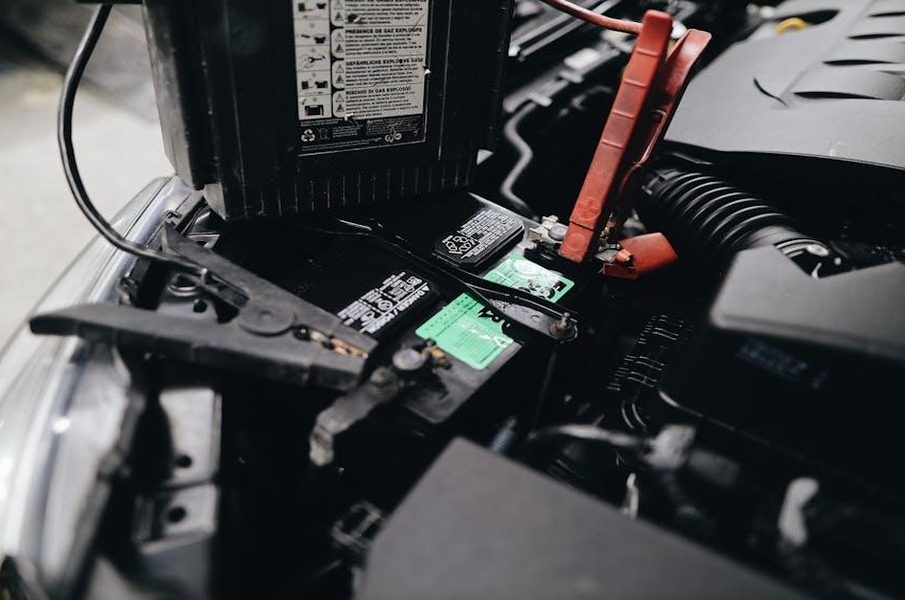
Owning a 2023 BMW X7 means enjoying top-tier automotive luxury. These vehicles require precise care to keep their performance high. The battery is central to your X7’s advanced electrical system. It’s often overlooked until it fails.
A healthy battery is vital. It does more than just start your engine. It powers all the complex electronics, safety features, and comfort systems. When your BMW X7 battery shows signs of trouble, knowing how to fix it is important.
This guide will provide all the essential information. We will explore factors affecting replacement costs. We will explain how these batteries work and their typical lifespan. You will learn to recognize signs of a failing battery. We will also detail the replacement process and warranty coverage. For expert care of your luxury vehicle, specialized knowledge in BMW luxury auto repair is often invaluable. This ensures your X7 continues to perform flawlessly.
Maintaining a luxury European vehicle like the BMW X7 goes beyond routine oil changes and tire rotations. It involves a deep understanding of sophisticated engineering and a commitment to preventative care. The electrical system, powered by the vehicle’s battery, is the lifeblood of these advanced machines, influencing everything from engine performance to the seamless operation of comfort features.
Understanding the SLI Battery Category
The heart of your 2023 BMW X7’s electrical system is its battery, typically falling into the “SLI” category-Standing, Lighting, and Ignition. This designation precisely describes its primary functions: providing the initial surge of power to start the engine, illuminating your vehicle’s lights, and powering the ignition system. Most car batteries, including those in high-performance vehicles, rely on a lead-acid chemical reaction to generate the necessary electrical current. This chemical process converts stored chemical energy into electrical energy, delivering a robust power output.
The performance of an SLI battery is often measured by its Amp Hour (Ah) rating. This rating indicates how much electrical current the battery can deliver over a specific period. A larger battery typically boasts a higher Amp Hour rating, signifying its ability to provide more amps of electrical current per hour. This is crucial for vehicles like the BMW X7, which are equipped with numerous power-hungry electronic systems.
A healthy car battery typically operates within a voltage range of 12 to 13 volts. Regular monitoring of this voltage is a best practice, as significant voltage drops can be an early indicator of a failing battery. Conversely, readings consistently above 13 volts could suggest an issue with the charging system. Understanding these fundamental aspects of your X7’s battery operation is the first step in ensuring its longevity and the vehicle’s overall reliability.
Essential Components of Luxury Auto Repair
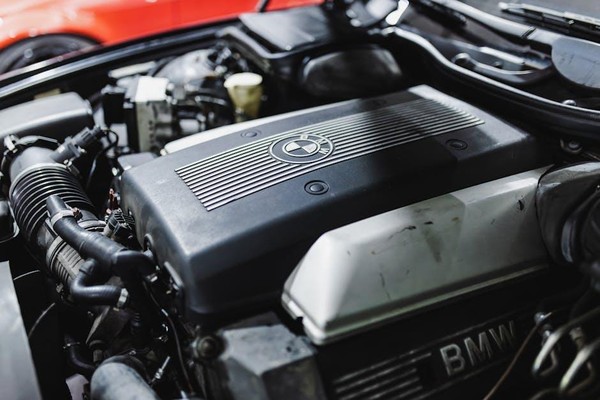
Luxury vehicles like the BMW X7 demand a level of repair and maintenance that aligns with their sophisticated design and advanced technology. This involves not just fixing problems as they arise, but understanding the intricate systems that make these vehicles perform at their peak. Specialized diagnostics are paramount, as modern BMWs are equipped with complex onboard computers that require specific tools and expertise to interpret. Adhering to Original Equipment Manufacturer (OEM) specifications for parts and procedures is also critical to maintain the vehicle’s integrity and performance standards.
The battery itself is a prime example of an essential component requiring specialized attention. While the basic principle of a lead-acid battery remains, the integration into a modern luxury vehicle elevates its importance and the complexity of its maintenance. The type of battery, often an Absorbent Glass Mat (AGM) battery in newer BMWs, offers superior performance and durability compared to traditional flooded lead-acid batteries, but also demands specific charging and handling protocols.
Identifying Symptoms of Electrical System Failure in Luxury Auto Repair
Recognizing the early warning signs of an electrical system issue can save you from inconvenient breakdowns and potentially more costly repairs. For your 2023 BMW X7, several indicators suggest that your battery or charging system may be compromised:
- Slow Engine Crank: One of the most common symptoms is when your engine takes longer than usual to turn over when you start the car. Instead of a quick, decisive start, you might notice a sluggish or labored cranking sound.
- Clicking Sounds: If you hear a rapid clicking noise when you turn the key or press the start button, but the engine doesn’t start, it’s a strong indication of insufficient battery power.
- Dimming Interior Lights: Noticeably dim interior lights, dashboard lights, or headlights, especially when the engine is off or during startup, can point to a weak battery.
- Battery Warning Light: A dedicated battery warning light on your dashboard is a direct alert that something is amiss with your charging system. It typically indicates that the alternator is not properly charging the battery. While you might be able to drive for a short period, it’s not advisable, as you’re running solely on the battery’s remaining charge, risking being stranded.
- Alternator Malfunction: The battery warning light often signals an issue with the alternator, which is responsible for recharging the battery while the engine is running. If the alternator fails, the battery will eventually drain completely.
- Serpentine Belt Tension: Sometimes, an alternator issue can stem from a loose or worn serpentine belt, which drives the alternator. If this belt is slipping, the alternator won’t generate enough power.
- Check Engine Light: In some cases, a failing battery or charging system can trigger the check engine light, as the vehicle’s computer detects anomalies in the electrical supply.
- Corrosion or Fluid Leaks: Visible corrosion around the battery terminals or any signs of fluid leaking from the battery itself are clear indicators of a problem and warrant immediate attention.
Ignoring these symptoms can lead to unexpected vehicle downtime. If you experience any of these, it’s prudent to have your battery and charging system inspected by a qualified technician promptly.
The Critical Role of Battery Registration in Luxury Auto Repair
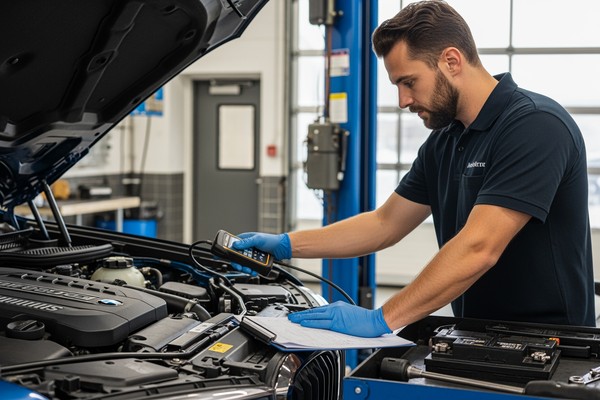
Modern BMW vehicles, including the 2023 X7, feature sophisticated power management systems that require precise calibration, particularly when it comes to battery replacement. This is where battery registration becomes critically important. Unlike older vehicles where a simple battery swap sufficed, your X7’s onboard computer adjusts its charging routine based on the battery’s age, type (typically AGM), and capacity.
When a new battery is installed, the vehicle’s Intelligent Battery Sensor (IBS) and engine control unit (ECU) need to be informed of this change. The registration process essentially resets the charging algorithm, telling the car that a brand-new battery is in place. Without this software reset, the vehicle might continue to charge the new battery as if it were the old, degraded one. This can lead to either overcharging or undercharging the new battery, significantly shortening its lifespan and potentially causing other electrical issues.
The registration process ensures optimal voltage regulation and charging efficiency, maximizing the performance and longevity of your new battery. It also clears any stored fault codes related to the old battery and ensures all electrical components function correctly with the new power source. This procedure typically requires a specialized diagnostic scan tool or compatible software, such as the BimmerLink or Carly app, which can communicate with your BMW’s ECU to perform the necessary coding. While some DIY enthusiasts might attempt this with aftermarket tools, the complexity and importance of accurate registration often lead owners to seek professional service to ensure the process is executed flawlessly.
Technical Guide to BMW X7 Battery Replacement
Replacing the battery in a 2023 BMW X7 is a procedure that, while technically feasible for a skilled individual, comes with its own set of complexities due to the vehicle’s advanced design and specific battery placement. Unlike many cars where the battery is easily accessible under the hood, BMW often places the main battery in less conventional locations, such as the trunk. For the BMW X7, the main battery is typically situated under the rear cargo floor, often within the spare tire well, concealed beneath a plastic cover. It’s also important to note that the X7, especially mild-hybrid variants, may have multiple batteries – a mild hybrid battery and a main 12V battery. Locating the correct battery for replacement is the first crucial step.
Accessing this area usually involves removing the luggage compartment well and potentially expanding rivets or other fasteners. Before beginning, it’s essential to be aware of any signs of terminal corrosion, which should be cleaned thoroughly during the replacement process.
Here is a list of tools commonly required for a BMW X7 battery replacement:
- 10mm Socket Wrench: Essential for loosening battery terminals and securing bolts.
- Long 8-12″ Socket Extension: Often necessary to reach bolts in tight or recessed areas, especially for battery support rails.
- Ratchet: To use with the socket and extension for leverage.
- Battery Terminal Cleaner / Wire Brush: For cleaning corrosion from battery posts and terminals.
- Battery Post Spreader (optional): To gently widen terminal clamps if they are too tight.
- Battery Puller/Strap (optional but recommended): To safely lift the heavy battery out of its compartment.
- Battery Maintainer / Memory Saver: To provide standby power and prevent loss of electronic settings during the swap.
- Torque Wrench: To ensure terminal bolts and clamps are tightened to manufacturer specifications.
- Safety Glasses and Gloves: For personal protection against acid and electrical hazards.
- Diagnostic Scan Tool (e.g., BimmerLink, Carly app, Foxwell NT510): Crucial for battery registration after installation.
Understanding Battery Lifespan and Warranty Coverage
The lifespan of a battery in a luxury vehicle like the 2023 BMW X7 is a critical factor for owners to consider. Generally, these batteries are designed to last between 3 to 5 years. However, this is an average, and several factors can influence how long your specific battery will perform optimally.
Environmental conditions play a significant role. High heat and humidity, for instance, can accelerate the degradation of a battery, leading to a shorter lifespan. Vehicles in warmer climates might experience battery issues sooner than those in temperate regions. Driving habits also contribute; frequent short trips where the alternator doesn’t have sufficient time to fully recharge the battery can reduce its overall life. Conversely, regular, longer drives help maintain a healthy charge cycle.
Regarding warranty coverage, most genuine OEM BMW batteries often come with a warranty, typically covering them for up to 24 months. It is important to review the specific terms of your battery’s warranty, as coverage can vary. Generally, warranties cover manufacturing defects but may exclude damage caused by improper installation, physical damage, or issues arising from non-OEM components connected to the battery. Understanding these terms can help you make informed decisions if a battery issue arises within the warranty period. Maintaining the battery’s capacity and ensuring it’s not subjected to conditions that lead to premature failure are key to maximizing both its operational life and warranty benefits.
Step-by-Step Replacement and Safety Protocols
Replacing your 2023 BMW X7 battery requires careful attention to detail and adherence to safety protocols to prevent injury or damage to the vehicle’s sensitive electronics. While a professional service is often recommended, for those comfortable with DIY, here are the general steps:
- Preparation and Safety First: Ensure your vehicle is on a level surface with the parking brake engaged. Turn off the engine and remove the keys from the ignition. Put on safety glasses and gloves.
- Locate the Battery: As mentioned, the main battery in a BMW X7 is typically in the trunk, often under the cargo floor or within the spare tire well. You may need to remove trim panels or the luggage compartment well to access it.
- Connect Standby Power (Optional but Recommended): To prevent loss of electronic settings (like radio presets, clock, or window memory), connect a battery maintainer or memory saver to the vehicle’s auxiliary power terminals (often found under the hood) before disconnecting the main battery.
- Disconnect the Negative Terminal: Using a 10mm socket wrench, loosen and disconnect the negative (black) battery cable first. This is crucial for safety, as it prevents accidental short circuits while working on the positive terminal. Move the cable away from the battery terminal to ensure it doesn’t accidentally reconnect.
- Disconnect the Positive Terminal: Next, loosen and disconnect the positive (red) battery cable. Again, ensure it’s moved clear of the battery.
- Remove the Battery Clamp/Support: Locate and remove any battery clamps, holding brackets, or support rails that secure the battery in its compartment. This usually involves a 10mm socket, potentially with a long extension.
- Remove the Old Battery: Carefully lift the old battery out of its compartment. Batteries are heavy, so use proper lifting techniques or a battery strap.
- Clean the Battery Tray and Terminals: Inspect the battery tray for corrosion or debris. Clean the tray and the battery cable terminals with a proper battery cleaning solution and a wire brush to ensure a clean contact surface for the new battery.
- Install the New Battery: Place the new battery into the compartment, ensuring it’s seated securely.
- Secure the Battery: Reinstall the battery clamp, holding brackets, or support rails, tightening them to secure the new battery firmly in place. The very vibrations from your vehicle’s operation can loosen the battery’s components if it isn’t tightly secured.
- Connect the Positive Terminal: Reconnect the positive (red) battery cable first, tightening it securely.
- Connect the Negative Terminal: Reconnect the negative (black) battery cable last, tightening it securely.
- Remove Standby Power: Disconnect your battery maintainer or memory saver.
- Perform Battery Registration: This is a crucial step for BMWs. Use a compatible diagnostic scan tool to register the new battery with the vehicle’s ECU. This tells the car that a new battery has been installed, allowing it to adjust its charging strategy for optimal battery life and performance.
- Reset Electronic Systems: After battery replacement, you may need to reset certain electronic systems. Common resets include the clock and window anti-trap functions (typically done by rolling windows fully down and then fully up, holding the switch for a few seconds at each extreme).
By following these steps, you can ensure a safer and more effective battery replacement process for your BMW X7.
Cost Factors and Professional vs. DIY Considerations
The decision to replace your 2023 BMW X7 battery yourself or seek professional assistance often comes down to a balance of cost, convenience, and confidence in your technical skills. The overall cost of a BMW X7 battery replacement can range significantly, influenced by several factors.
Firstly, the cost of the battery itself is a primary component. High-performance AGM batteries, common in luxury vehicles, are more expensive than traditional lead-acid batteries. The battery’s size and Amp Hour rating also dictate its price; a larger battery with higher capacity will naturally cost more.
Secondly, labor rates contribute to the total if you opt for professional installation. While the actual physical swap might take a relatively short time, the specialized knowledge required, particularly for accessing the battery in less conventional locations and performing the mandatory battery registration, adds to the labor cost. Professional installation often includes a fee for this registration process, which is vital for the longevity of the new battery and the health of your vehicle’s electrical system.
Component access is another factor. Modern vehicle design, with shrinking engine compartments and batteries often tucked away in the trunk or under seats, can make DIY replacement more challenging and time-consuming. What might be a simple task in one car can be an intricate process in a BMW X7.
While DIY replacement can save on labor costs, potentially reducing the overall expenditure, it comes with considerations:
- Tools and Expertise: Do you have the necessary tools, including a diagnostic scanner for battery registration? Incorrect registration can lead to premature battery failure.
- Safety Risks: Working with car batteries involves electrical hazards and corrosive materials. Incorrect procedures can damage the vehicle’s sensitive electronics or cause personal injury.
- Warranty Implications: Some aftermarket batteries might not align with BMW’s specific requirements, potentially affecting performance or even warranty claims.
For these reasons, many owners choose professional service. Specialists in BMW auto repair possess the diagnostic tools, technical expertise, and experience to handle the complexities of your X7’s electrical system. They can ensure the correct battery is installed, properly registered, and all systems are functioning optimally, providing peace of mind and contributing to the long-term reliability of your luxury vehicle. While the upfront cost might be higher, the benefits of expert installation, proper registration, and reduced risk of future electrical issues often outweigh the savings of a DIY approach.