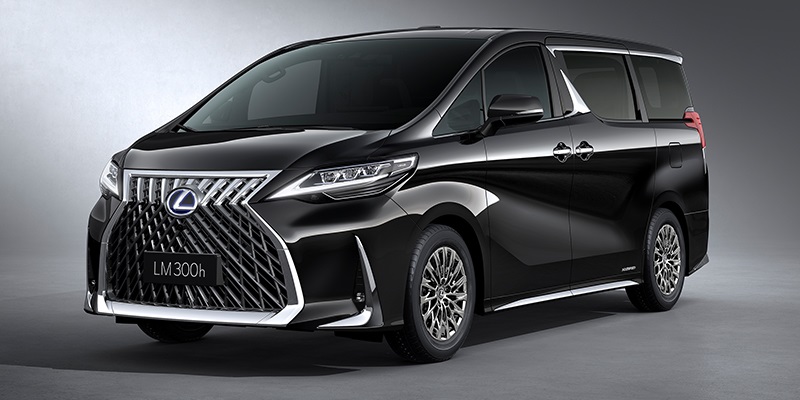
Transforming Your Vehicle with a Professional Car Wrap
The Rise of Car Wraps in Modern Vehicle Customization
The automotive world is constantly evolving, and with it, the ways we personalize our vehicles. Gone are the days when a custom look meant an expensive, permanent, and often time-consuming paint job. Today, advancements in vinyl film technology have ushered in an era of dynamic, non-permanent modification that offers unparalleled customization options. From subtle accents to a complete overhaul, car wraps provide a flexible and reversible solution for vehicle owners who want to express their individuality or protect their investment.
What is a Car Wrap?
At its core, a car wrap is a thin, adhesive-backed vinyl film that is carefully applied to the exterior surfaces of a vehicle. Unlike paint, which is absorbed into the surface, a wrap adheres to the existing finish, creating a new outer layer. These films are typically multi-layer cast films, meaning they are manufactured to be highly durable, conformable, and resistant to shrinking or lifting.
The versatility of car wraps stems from the sophisticated digital printing techniques available today. This allows for an almost limitless array of colors, textures, and graphic designs. While many wraps are “color change” wraps, designed to mimic a fresh coat of paint in a new hue, they also serve as a protective layer, shielding the original paint from environmental damage and everyday wear and tear. The quality of the vinyl, the adhesive, and the installation process all contribute to the overall appearance and longevity of the wrap.
How Wraps Differ from a Paint Job
Understanding the fundamental differences between a car wrap and a traditional paint job is crucial for any vehicle owner considering customization. While both aim to change a vehicle’s appearance, their processes, costs, timeframes, and long-term implications vary significantly.
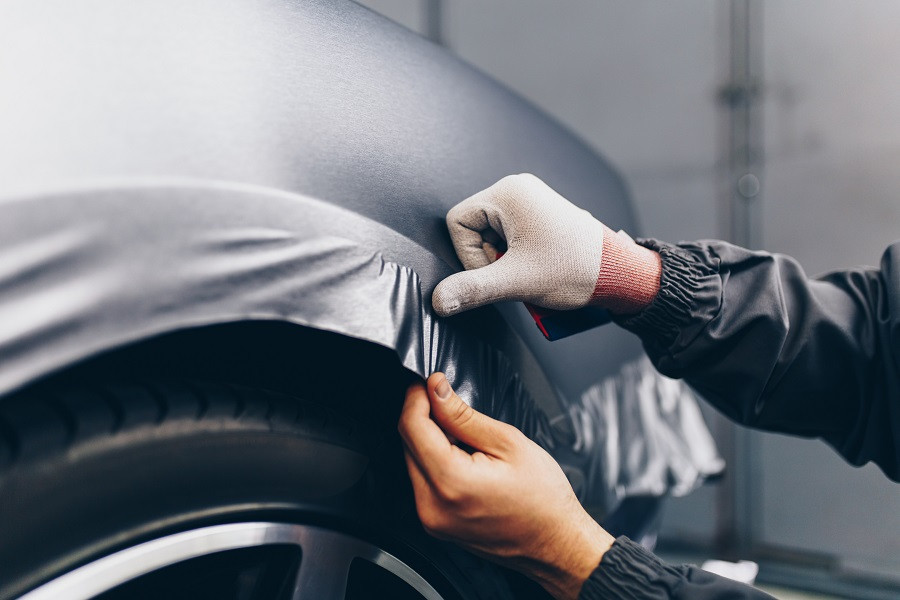
Application Process: A paint job involves sanding, priming, multiple coats of paint, and clear coat, often requiring the vehicle to be disassembled. It’s a messy, chemical-intensive process. A wrap, conversely, is applied directly over the existing paint. The vehicle is thoroughly cleaned and prepped, and then large sheets of vinyl are carefully stretched and adhered to the body panels using specialized tools and heat. This process is far less invasive and doesn’t involve harsh chemicals.
Cost Comparison: While the cost can vary widely depending on the quality of materials and the complexity of the job, a full, high-quality paint job typically costs significantly more than a full car wrap. A premium paint job can easily run into several thousand dollars, sometimes exceeding $10,000 for exotic finishes. As we will explore, professional vinyl wrap installation generally ranges from $1,500 to $3,000, with specialized materials like carbon fiber potentially pushing it higher.
Timeframe: A professional paint job can take anywhere from a few days to several weeks, depending on the scope of work and drying times. A full car wrap, on the other hand, can often be completed within 2-5 days by experienced installers, minimizing the time your vehicle is off the road.
Durability: Modern automotive paints are highly durable, designed to withstand years of exposure. However, they are susceptible to chips, scratches, and fading over time. Wraps are also very durable, offering a protective layer against minor abrasions, UV damage, and environmental contaminants. Their lifespan is comparable to or sometimes even exceeds that of a factory paint finish, especially with proper care.
Finish Options: While paint offers a wide range of colors and finishes (gloss, matte, metallic), wraps open up an entirely new dimension of possibilities. Wraps can replicate paint finishes perfectly, but they also offer unique textures (like carbon fiber), chrome, color-shifting effects, and custom digital prints that are either impossible or prohibitively expensive to achieve with paint.
Resale Value Impact: This is where wraps offer a distinct advantage. A custom paint job, especially in a niche color or design, can sometimes deter potential buyers and negatively impact resale value. A wrap, however, is fully reversible. When removed properly, it reveals the pristine, original factory paint underneath, potentially enhancing the vehicle’s resale value as it shows meticulous care and protection.
Exploring the Spectrum of Car Wrap Finishes
The aesthetic advantages of car wraps are truly boundless. Beyond merely changing a vehicle’s color, wraps allow for an incredible degree of personalization, changing a car into a unique statement piece. Whether you’re aiming for a subtle improvement with partial wraps or accents, or a complete visual overhaul, the range of finishes available ensures there’s something for every taste and style.
Popular Finishes: From Gloss to Matte
The evolution of vinyl technology has brought forth an impressive array of finishes that can mimic or even surpass the visual impact of traditional paint.
- Gloss Finishes: These are designed to replicate the high-shine, reflective quality of a freshly painted and waxed car. Gloss wraps are popular for their vibrant color rendition and classic automotive appeal.
- Matte Effect: Offering a sophisticated, non-reflective appearance, matte wraps absorb light rather than reflecting it, giving vehicles a stealthy and modern look. They are particularly favored for high-performance and luxury cars.
- Satin Sheen: Bridging the gap between gloss and matte, satin wraps provide a subtle, neat luster. They have a softer reflection than gloss but more depth than matte, creating a refined and understated premium aesthetic.
- Metallic Flakes: Many wraps incorporate metallic flakes within the vinyl, creating a shimmering effect that catches the light and adds a dynamic sparkle to the vehicle’s surface, similar to metallic paints.
- Chrome and Color-Shifting Wraps: For those seeking to truly stand out, chrome wraps offer a mirror-like finish that is undeniably eye-catching. Color-shifting wraps, also known as chameleon wraps, feature pigments that change color depending on the viewing angle and lighting conditions, providing a mesmerizing, dynamic effect.
Textured Wraps: The Carbon Fiber Look
Among the most sought-after and visually striking wrap finishes are those that replicate textures, with carbon fiber leading the charge. The allure of carbon fiber lies in its association with high performance, lightweight engineering, and a distinct, technical aesthetic. While real carbon fiber components are expensive and often used for structural integrity, carbon fiber vinyl wraps offer the same coveted look at a fraction of the cost and without the permanence.
Carbon fiber wraps come in various “dimensional” types, often denoted as 3D, 4D, 5D, and even 6D. These numbers generally refer to the depth and realism of the texture and sheen:
- 3D Carbon Fiber Wrap: This is typically a textured vinyl that provides a tactile feel, mimicking the woven pattern of carbon fiber. It offers a good visual representation but might lack the deeper shine of higher-dimensional wraps.
- 4D Carbon Fiber Wrap: Building on 3D, 4D wraps often incorporate a slightly more realistic sheen and a more pronounced texture, enhancing the visual depth of the weave.
- 5D Carbon Fiber Wrap: These wraps aim for a high-gloss finish over the textured pattern, creating a wet, reflective look that closely resembles real carbon fiber with a clear coat. The combination of texture and high gloss gives it a premium appearance.
- 6D Carbon Fiber Wrap: Representing the pinnacle of realism in vinyl, 6D wraps push the boundaries with even finer details in the weave pattern and an incredibly deep, lustrous gloss, making it very difficult to distinguish from genuine carbon fiber at a glance.
- Forged Carbon Look: A newer and increasingly popular variant, forged carbon fiber wraps replicate the non-uniform, marbled appearance of actual forged carbon fiber, which is made from smaller pieces of carbon fiber compressed with resin. This offers a distinct, high-tech, and exotic aesthetic that differs from the traditional woven pattern.
These textured wraps aren’t just for exterior applications. They are also incredibly popular for interior elements like dashboards, center consoles, door trims, and steering wheel accents, instantly upgrading a vehicle’s cabin with a high-tech, luxurious feel. For those interested in exploring the full range of these sophisticated finishes, particularly for a complete vehicle change, you can find a wide selection of premium materials for your next project, including detailed options for carbon fiber vehicle wraps.
The Practical Advantages of Wrapping Your Car
Beyond the undeniable aesthetic appeal, wrapping your car offers a host of practical benefits that make it a smart investment for any vehicle owner. It’s not just about looking good; it’s about protecting your asset and simplifying your ownership experience.
The Role of Wraps in Preserving Vehicle Value
One of the most significant advantages of a car wrap is its ability to act as a protective shield for your vehicle’s original paint. This translates directly into preserving, and potentially enhancing, your vehicle’s resale value.
- Paint Protection: The vinyl film forms a barrier over the factory paint, guarding it against the myriad hazards of daily driving. This includes minor scratches, scuffs, and swirl marks that can accumulate over time.
- Shield Against UV Rays: The sun’s ultraviolet (UV) rays are a primary culprit in paint degradation, causing fading, oxidation, and clear coat damage. A quality car wrap contains UV inhibitors and effectively blocks these harmful rays, keeping the original paint vibrant and factory-fresh underneath.
- Scratch and Chip Resistance: While not impervious to severe damage, wraps offer a significant layer of defense against small rock chips, gravel spray, and other road debris that can easily mar unprotected paint. This is especially beneficial for vehicles driven frequently on highways or in areas with loose aggregate.
- Environmental Contaminants: Bird droppings, tree sap, acid rain, and industrial fallout can all etch into and damage automotive paint if not addressed promptly. The smooth, non-porous surface of a vinyl wrap makes these contaminants easier to clean off, preventing them from coming into direct contact with the underlying paint.
- Maintaining OEM Paint: When it comes time to sell or trade in your vehicle, the ability to remove the wrap and reveal a pristine, factory-condition paint job is a major selling point. This can command a higher resale value compared to a vehicle with a worn, faded, or repainted exterior.
Durability and Maintenance
Modern car wraps are engineered for durability, designed to withstand the rigors of everyday use and various environmental conditions. However, their lifespan and appearance are influenced by several key factors and require specific maintenance routines.
Lifespan Factors: The longevity of a car wrap typically ranges from 3 to 7 years. This wide range depends on:
- Material Quality: Premium vinyl films from reputable manufacturers (like 3M or Avery Dennison) are designed for extended durability and come with warranties, often lasting 5-7 years. Lesser quality films may degrade faster.
- Installation Quality: A professional, meticulous installation ensures proper adhesion and minimizes the risk of lifting or peeling, which can significantly shorten a wrap’s life.
- Horizontal vs. Vertical Surfaces: Horizontal surfaces (like the hood, roof, and trunk) are exposed to more direct sunlight, UV radiation, and environmental fallout. Consequently, wraps on these surfaces may show signs of wear sooner than those on vertical panels (doors, fenders). For instance, 3M™ Wrap Film Series 2080 offers a warranty period of up to 8 years for vertical exposure but up to 3 years for horizontal exposure, illustrating this difference. The lifespan of a carbon fiber hood wrap, specifically, typically ranges from 3 to 5 years, depending on maintenance and exposure.
- Climate Impact: Vehicles in harsh climates with intense sun exposure (e.g., Florida or desert regions) or extreme temperature fluctuations may experience a slightly reduced wrap lifespan compared to those in more temperate zones.
- Maintenance Routine: Proper cleaning and care are paramount to maximizing a wrap’s lifespan.
Cleaning Procedures: Wraps should be cared for much like a car’s paint, with a few specific considerations:
- Hand Washing Recommended: The safest method is hand washing with a mild car wash soap and a soft microfiber mitt. Avoid abrasive cleaners, waxes, or polishes unless specifically designed for vinyl wraps.
- Brushless Car Washes: If using an automatic car wash, opt for brushless systems to prevent scratching or damaging the vinyl. Avoid high-pressure sprays directly at seams or edges, as this can cause lifting.
- Prompt Cleaning: Remove bird droppings, tree sap, and other contaminants as soon as possible to prevent them from etching into the vinyl.
- Avoid Harsh Chemicals: Stay away from solvent-based cleaners, engine degreasers, or harsh detergents, as these can degrade the vinyl and adhesive.
Negligible Weight Addition: For those concerned about performance, it’s important to note that a full car wrap adds a negligible amount of weight to the vehicle. The vinyl film is extremely thin and lightweight, typically adding only a few pounds at most, which has no practical impact on fuel economy or performance. This is a stark contrast to real carbon fiber components, which are chosen specifically for their strength-to-weight ratio.
The Installation Process: DIY vs. Professional Application
The change a car wrap offers is truly remarkable, but achieving that flawless, paint-like finish hinges almost entirely on the quality of the installation. This is where the debate between attempting a DIY project and entrusting your vehicle to a professional installer becomes critical.
Surface Preparation: Regardless of who performs the installation, meticulous surface preparation is the cornerstone of a successful wrap. This involves:
- Thorough Cleaning: The vehicle must be impeccably clean, free of dirt, dust, wax, grease, and any other contaminants. This often includes a clay bar treatment to remove embedded particles.
- Panel Removal (Optional but Recommended): For the cleanest, most seamless finish, professional installers often remove bumpers, headlights, taillights, door handles, and mirrors. This allows the vinyl to be wrapped around edges and into crevices, eliminating visible seams and potential lifting points.
- Degreasing: All surfaces must be thoroughly degreased to ensure optimal adhesion of the vinyl.
Specialized Tools: Professional installers use a range of specialized tools that are essential for a high-quality application. These include:
- Heat guns or torches for stretching and conforming the vinyl to complex curves.
- Squeegees of various shapes and hardness for smooth application and air bubble removal.
- Knifeless tape for precise cuts without damaging the underlying paint.
- Specialized cutting tools and blades.
- Infrared thermometers to monitor vinyl temperature.
Key Considerations for Your Vehicle Customization Project
While the idea of saving money by wrapping your car yourself might be tempting, it’s crucial to understand the significant challenges involved, especially for a full car wrap.
- DIY Challenges: Wrapping an entire car is an incredibly intricate and demanding task. It requires patience, precision, and a high level of skill. Even experienced DIYers often struggle with large panels and complex curves.
- Bubbles and Wrinkles: Without the proper technique, heat management, and squeegee skills, it’s easy to trap air bubbles or create unsightly wrinkles in the vinyl. These imperfections are difficult, if not impossible, to correct once they’ve set.
- Seams and Alignment: Achieving seamless transitions between panels and ensuring that textured patterns (like carbon fiber) align perfectly across the vehicle is a hallmark of professional work. DIY attempts often result in visible, misaligned seams that detract significantly from the overall aesthetic.
- Wasted Material: Vinyl wrap material is not inexpensive. Mistakes during a DIY installation, such as improper cuts, tears, or irreversible wrinkles, can lead to significant material waste, quickly eroding any potential cost savings.
- Importance of a Clean Environment: A dust-free, temperature-controlled environment is essential for wrap application. Dust particles trapped under the vinyl will create visible bumps, and extreme temperatures can affect the vinyl’s conformability and adhesive properties. Most DIYers lack access to such an ideal setting.
Why Professional Installation Matters
For a flawless, durable, and aesthetically pleasing full car wrap, professional installation is overwhelmingly recommended. The expertise and resources that professionals bring to the table are invaluable.
- Expertise with Complex Curves: Vehicles are full of intricate curves, recesses, and body lines. Professional installers have spent years honing their skills to expertly stretch, heat, and manipulate vinyl to conform perfectly to these challenging areas without creasing or distorting the pattern. This is particularly true for textured wraps like carbon fiber, where maintaining the integrity of the weave pattern is crucial.
- Warranty: Reputable installers often provide a warranty on their workmanship, in addition to the manufacturer’s warranty on the film itself. This offers peace of mind that your investment is protected.
- Flawless Finish: Professionals have the experience to achieve a bubble-free, wrinkle-free, and seamless finish that rivals a high-quality paint job. Their attention to detail ensures that edges are properly tucked, and the wrap looks integrated with the vehicle.
- Proper Removal Techniques: Just as important as installation is proper removal. Professionals know how to remove wraps without damaging the underlying paint, using specific techniques and tools to minimize adhesive residue and prevent paint pull.
- Access to Premium Materials: Professional installers have access to a wider range of premium vinyl films, including specialized carbon fiber textures and unique finishes, that might not be readily available to the general public. They also have the knowledge to recommend the best material for your specific needs and desired outcome. While hiring a professional vinyl wrap installer will typically run you anywhere between $1,500 – $3,000, a full carbon fiber car wrap can cost upwards of $3,000 due to the premium quality of the material and the intricate application required. This investment ensures a superior result that lasts.
Frequently Asked Questions about Car Wraps
As car wraps grow in popularity, many common questions arise regarding their cost, longevity, and removability. We’ve compiled answers to some of the most frequent inquiries to help you make an informed decision.
How much does a full car wrap cost?
The cost of a full car wrap is a significant consideration, and it’s influenced by several factors, making it vary widely.
- Vehicle Size: Naturally, larger vehicles (SUVs, trucks) require more material and more labor than smaller cars (compacts, sedans), leading to higher costs.
- Film Type: Standard gloss or matte color-change films are generally less expensive than specialized films. Premium options like chrome, color-shifting, and high-dimensional carbon fiber wraps (e.g., 5D or 6D) are more costly due to their material complexity and unique visual effects. As noted earlier, a full carbon fiber car wrap can cost upwards of $3,000 due to the premium quality of the material alone.
- Complexity of Installation: Vehicles with many curves, intricate body lines, or components that need to be removed (like bumpers or mirrors) will increase labor time and, consequently, the overall cost.
- Professional Labor Costs: The expertise of the installer is a major factor. Highly skilled and experienced professionals, who offer warranties on their work, will charge more than less experienced shops.
- Typical Price Range: For a standard full car wrap using quality materials and professional installation, you can generally expect to pay anywhere between $1,500 and $3,000. However, for exotic materials, custom designs, or highly complex vehicles, the price can easily exceed $3,000.
How long does a car wrap last?
The lifespan of a car wrap is a common concern, and it’s influenced by a combination of material quality, environmental factors, and maintenance habits.
- Material Quality: Premium cast vinyl films from leading manufacturers are designed for longevity. On average, well-installed car wraps will last for 3-5 years, but some wraps can remain in excellent shape for 7 years or longer, especially those from brands like 3M™ Wrap Film Series 2080, which offers a warranty period of up to 8 years for vertical exposure.
- Horizontal vs. Vertical Surfaces: As previously mentioned, horizontal surfaces (hood, roof, trunk) endure more direct sun exposure and environmental assault. Wraps on these areas may degrade faster than those on vertical panels (doors, fenders). For example, the 3M™ warranty for horizontal exposure is typically up to 3 years. The lifespan of a carbon fiber hood wrap specifically ranges from 3 to 5 years, depending on these factors.
- Sun Exposure: Prolonged exposure to intense UV radiation is the primary enemy of any automotive finish, including wraps. Vehicles garaged or regularly parked in shaded areas will see their wraps last longer.
- Maintenance Routine: Adhering to the recommended cleaning and care guidelines is crucial. Regular hand washing with mild soap and avoiding harsh chemicals or automatic car washes with brushes will significantly extend the life and appearance of your wrap.
- Average Lifespan: With proper care and quality materials, most car wraps can be expected to last between 3 to 7 years.
Can a vinyl wrap be removed?
Yes, one of the most compelling advantages of a car wrap is its reversibility. This non-permanent nature offers flexibility that a paint job simply cannot match.
- Professional Removal: While it is technically possible to remove a wrap yourself, professional removal is highly recommended. Installers use specialized tools and techniques, including controlled heat application, to soften the vinyl and adhesive, allowing for a clean peel.
- Heat Application: Heat is key to successful wrap removal. It reactivates the adhesive, making the vinyl more pliable and less likely to tear, ensuring it comes off in larger pieces.
- Adhesive Residue: A professionally installed, quality wrap should leave minimal to no adhesive residue on the underlying paint when removed correctly. Any minor residue can typically be cleaned off with a specialized adhesive remover.
- Paint Safety: When removed by a professional within its recommended lifespan, a car wrap will not damage the original factory paint. In fact, because the wrap has protected the paint from UV rays and minor abrasions, the underlying finish often looks as good as new. This preservation of the OEM paint is a major benefit for maintaining the vehicle’s value.
- Reversibility Benefits: The ability to remove a wrap means you can easily change your vehicle’s look, revert to the original color for resale, or update to a new wrap design without the commitment or expense of a permanent paint alteration.
Conclusion
The journey through car wraps reveals a dynamic and innovative approach to vehicle customization. From the stunning visual changes offered by a diverse palette of colors and textures—especially the high-tech appeal of carbon fiber wraps—to the practical benefits of paint protection and improved resale value, car wraps present a compelling alternative to traditional paint jobs.
We’ve explored how wraps differ from paint in application, cost, and permanence, highlighting their flexibility and reversibility. We’ve digd into the aesthetic spectrum, from classic gloss to sophisticated matte, and the intricate realism of 3D, 4D, 5D, 6D, and forged carbon fiber textures that can lift a vehicle’s appearance. The practical advantages, including protection against UV rays, scratches, and environmental contaminants, underscore a wrap’s role as a smart investment in preserving your vehicle’s value. Finally, we’ve emphasized why professional installation is paramount for achieving a flawless, durable finish and avoiding the pitfalls of DIY attempts.
A professional car wrap is more than just a cosmetic upgrade; it’s a transformative solution that offers unparalleled personalization, robust protection, and a smart, reversible investment in your vehicle. Whether you’re looking to make a bold statement, protect your paint, or simply refresh your ride, embracing professional vehicle customization with a high-quality wrap is a decision you won’t regret.