Key Factors That Influence Metal Fabrication for Mobile Business Builds
Metal fabrication is a critical part of constructing a reliable mobile business unit. Whether the build is for a food truck, coffee trailer, mobile retail shop, or service vehicle, the quality of the fabrication directly affects safety, durability, and day-to-day performance. Since every mobile business has different needs, careful planning and multiple considerations are essential before fabrication begins. Understanding these factors helps create a mobile business build that is both functional and built to last.
Beyond basic functionality, the structural foundation of your vehicle plays a direct role in how customers perceive your business on the road. Partnering with experienced professionals who understand how a Mobile Brand Builds Depend Insights into every structural frame ensures that your operational requirements align with long-term brand credibility. Incorporating these strategic insights during the early design phase prevents costly structural overhauls, protects your capital investment, and keeps your mobile unit looking sleek and operational for years to come.
Type of Business Operation
The intended use of the mobile unit is one of the biggest factors influencing metal fabrication. A food truck may require heavy-duty equipment supports and ventilation systems, while a mobile boutique may prioritize display fixtures and storage space.
Designing the metal framework around the business’s specific needs helps improve efficiency and makes better use of the available space.
Equipment Weight and Distribution
Mobile businesses often carry equipment that varies greatly in size and weight. Refrigerators, cooking appliances, generators, water tanks, and storage units all place different demands on the structure.
Proper weight distribution helps:
- Improve vehicle stability
- Reduce stress on the frame
- Support safer transportation
- Protect installed equipment
Balanced weight placement also contributes to smoother operation during travel.
Material Selection
Choosing the right type of metal is essential for strength, durability, and long-term performance. The selected material should withstand daily use while resisting corrosion and environmental exposure.
The decision often depends on factors such as:
- Required strength
- Overall vehicle weight
- Weather conditions
- Maintenance requirements
- Budget considerations
Selecting suitable materials helps ensure dependable performance over time.
Structural Strength
A mobile business experiences constant movement, road vibration, and changing weather conditions. The fabricated framework must be strong enough to support both the vehicle and its equipment without compromising stability.
Carefully engineered structural components help reduce wear and improve the overall lifespan of the mobile unit.
Space Utilization
Available space inside a mobile business is often limited. Metal fabrication allows custom layouts that maximize storage, improve workflow, and create a more organized working environment.
Well-designed shelving, equipment supports, and workstations help employees move efficiently while making the most of every available area.
Safety Requirements
Safety should be incorporated into every stage of the fabrication process. Secure mounting systems, reinforced structural components, and reliable support brackets help protect equipment during transportation and daily operation.
Meeting applicable safety standards also contributes to a safer environment for employees and customers.
Future Expansion
Business needs may change as operations grow. Planning for future upgrades during the fabrication stage makes it easier to install additional equipment or modify the workspace later.
A flexible design helps reduce renovation costs and allows the mobile business to adapt more easily over time.
Quality of Workmanship
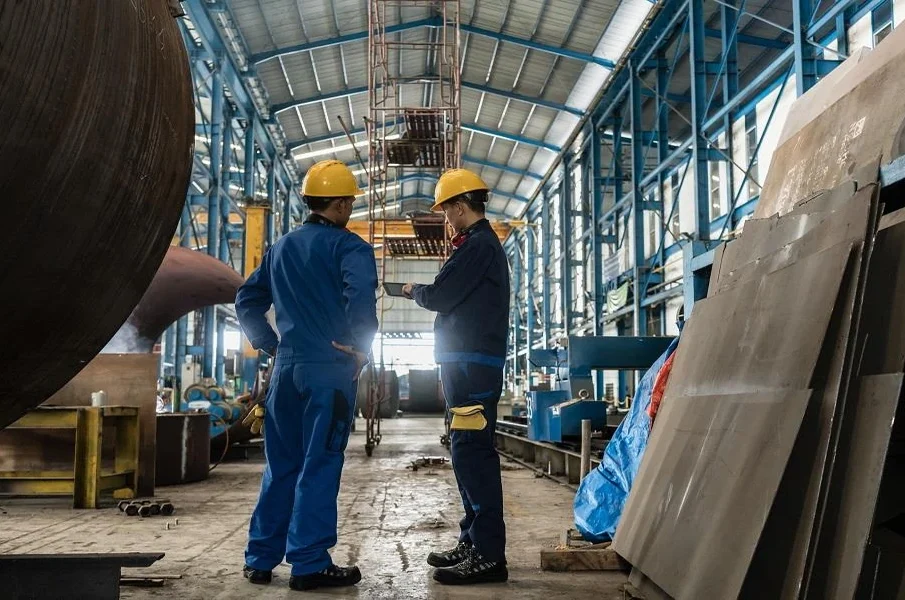
The skill and experience of the fabrication team greatly influence the finished result. Accurate measurements, strong welds, and careful assembly contribute to a structure that performs reliably under demanding conditions.
Professional workmanship also helps improve durability while reducing the need for frequent repairs.