
Leasing a Tacoma for Small Business Use Across the Houston Area
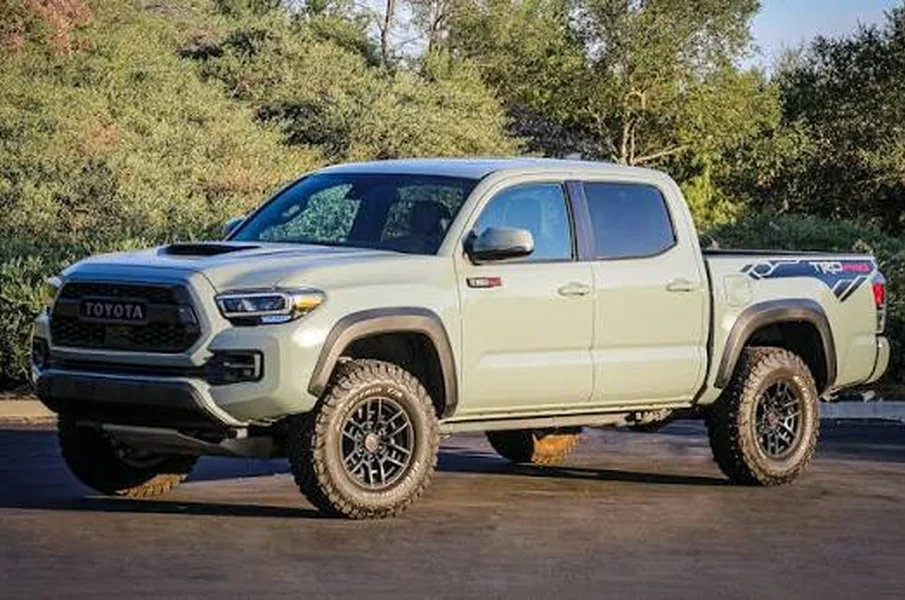
Ask any contractor what keeps the day on track, and the answer is usually the truck. Owners weighing their options at space city toyota often end up comparing a rental agreement against buying outright. The appeal is easy to see. You pay only for the value the pickup loses over a few years, so the bill tends to stay lower. When the term ends, you hand back the keys and drive something newer. The catch sits in the details, and that’s where a little planning pays off.
A Solid Fit for Trades
Plumbers, landscapers, or handymen often need a truck that can still squeeze into a tight driveway. This midsize pickup handle that well. Certain configurations can tow up to about 6,500 pounds, which covers most utility trailers. A clean, newer truck parked at a customer’s house doesn’t hurt your reputation either.
Costs You Can Plan Around
A fixed payment makes budgeting a lot less stressful when cash flow runs tight. Most three-year agreements stay inside the factory warranty the whole time. Early maintenance visits are often covered by a complimentary plan. That means fewer surprise repair bills landing in a slow month.
Things to Check Before You Sign
Work vehicle contracts don’t always read the same as personal ones. Spending twenty minutes on these points now can save a headache at turn-in time.
- Find out whether the contract names your company or you personally.
- Ask if newer firms must sign a personal guarantee first.
- Pick a yearly mileage limit that matches real job site driving.
- Read the wear rules covering dents, scratches, or stained seats.
- Check what happens if you need to end the agreement early.
- Get written approval before bolting racks or toolboxes onto the bed.
- Compare acquisition fees at a couple of dealers before deciding.
- Keep every signed page somewhere safe for tax time.
Planning Miles for Job Routes
Work trucks rack up miles faster than most people expect. Typical agreements allow somewhere between ten thousand and fifteen thousand miles a year. If you know you’ll go over, buying extra miles at signing usually costs less than paying penalties later. A quick odometer check each month tells you if you’re on track.
Does Signing Under a Company Name Affect Approval?
Putting the contract in your company’s name can keep work debt separate from your personal finances. Lenders will usually ask for your employer identification number plus some proof that the firm has been operating for a while. Companies that already have a solid credit record tend to get approved without much trouble.
Newer companies are a different story. Without much history, the lender may ask you to sign a personal guarantee. In plain terms, your own credit still stands behind the deal. Before you apply, the finance team at space city toyota can walk you through which route makes more sense for your situation.
Rules on Add-Ons
Ladder racks or bed liners can make a crew a lot faster. The problem is that permanent changes may break your contract unless the lender signs off first. Bolt-on gear that comes off cleanly is usually the safer bet. Just remember to pull it off before the truck goes back.
| Monthly payments | Work portion often deductible | Contract plus statements |
| Fuel | Deductible under actual expense method | Dated receipts |
| Maintenance | Deductible when work related | Service invoices |
| Insurance | Work share usually deductible | Policy documents |
| Mileage | Sets your deductible percentage | Daily trip log |
Answers Owners Often Want
- Does a work truck need commercial insurance? Usually yes; personal policies often exclude paid jobs.
- Are monthly payments tax deductible? The work portion often is, depending on your mileage records.
- Will extra miles cost money? Fees often run fifteen to twenty-five cents each.
- Does adding a toolbox break contract rules? Removable boxes are fine; drilling may need approval.
- Should newer firms expect a personal guarantee? Often yes, until company credit history grows.
- Does the truck need return in perfect shape? No, normal wear is accepted within guidelines.
Steady Habits Keep Crews Rolling
The best agreement is the one that fits how your crew actually works, not the one with the smallest number on top. Set a realistic mileage limit, then log trips as you go. Keep insurance papers and tax records in one place for the full term. Ask your questions before signing, not after something goes wrong. A simple routine you stick with will always beat a perfect plan that never gets done.


