
Roadworthy Certificate: What Your Car Actually Needs to Pass
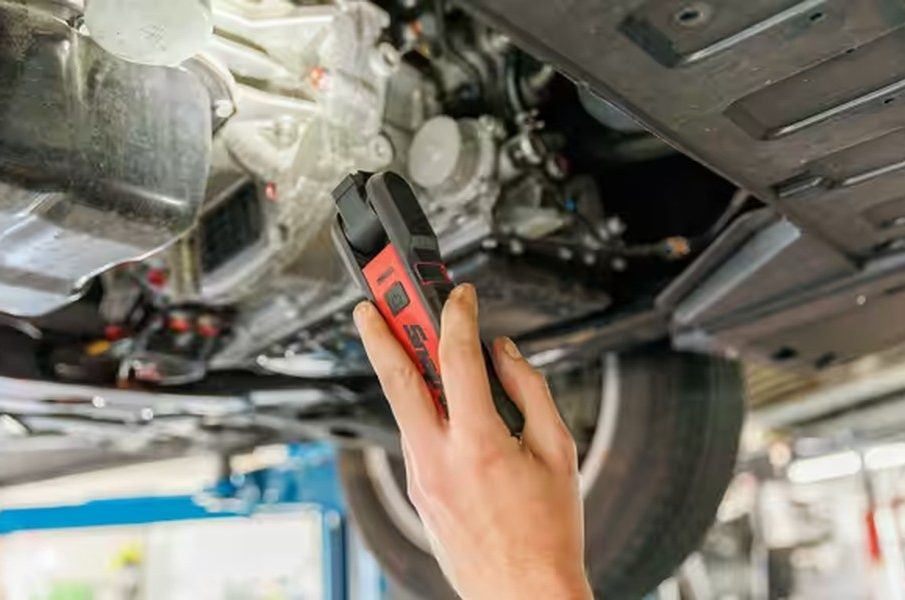
The common, usually inevitable step in selling a car or even in re-registering a vehicle in Victoria is obtaining a roadworthy certificate. That’s a confusing process for many drivers. Some believe the inspection checks every nook and cranny of the car. Some expect a simple wash and a service is all that is needed.
The truth is simpler. Roadworthy certificates are primarily concerned with safety. They want to know whether the vehicle has made the grade to be safe enough for Aussie roads.
So, here’s what your car actually needs to get through.
What Is a Roadworthy Certificate?
A roadworthy certificate is an indication that a vehicle meets minimum safety requirements. It doesn’t mean the car is flawless or that something won’t go wrong three days from now.
The inspection focuses primarily on safety-sensitive components such as:
- Tyres
- Brakes
- Steering
- Suspension
- Lights
- Windscreen
- Seatbelts
The inspection can fail, if any of these parts are worn down to dangerous levels.
However, you can avoid such issues if you book a professional before the examination.
Tyres Must Be Safe and Legal
Tyres are some of the most common causes of vehicles failing a roadworthy inspection.
Inspectors check for:
- Adequate tread depth
- Uneven tyre wear
- Sidewall damage
- Correct tyre condition
Bald tyres or damage which is visible can incite a potential failure. The tyres are replaced before the test which avoids time-consuming retesting.
Brakes Need to Work Properly
Proper braking system is very important for road safety. Mechanics check how the braking system performs safely and accurately during inspection.
Problems may include:
- Worn brake pads
- Brake fluid leaks
- Grinding noises
- Weak braking response
Before the roadworthy booking, a mechanic trusted in Hampton Park can check the brake system and recommend repairs if necessary.
Lights and Electrical Components Matter
Some drivers soft pedalling on minor electrical problems. Another common failing is faulty lights.
Inspectors usually test:
- Headlights
- Brake lights
- Indicators
- Reverse lights
- Hazard lights
Even a simple blown globe can cause hold up.
Light checks are also a part of professional car service workshops in Keysborough, especially during pre-roadworthy inspections.
Clear Windscreen and Wiper Blade
Probably the second most vital safety demand is visibility.
Please make sure the vehicle is not failing due to the windscreen:
- Large cracks
- Damage in the driver’s view
- Poorly functioning wipers
Wipers should clear the windscreen without streaking or skipping.
Steering and Suspension Checks
The vehicle must have stable and easy driving behaviour.
Inspectors check for:
- Loose steering components
- Suspension damage
- Excessive movement
- Unusual noises
Scrimping on suspension can have an impact on braking, tyre wear, and ultimately safety.
An expert mechanic is able to find these problems before the day of inspection!
Seatbelts and Safety Features
Seatbelts have to be working for every seating position. Belt wear and tear, broken buckles, or locking issues may cause an inability to function.
Inspectors also examine:
- Doors and latches
- Mirrors
- Horn operation
- General vehicle safety
They might sound trivial, but they are all legal safety specifications.
Improve Your Chances of Passing
Know the car, this can save you money, beating the stress.
Helpful steps include:
Car services in Keysborough centres can assist drivers in getting their vehicles ready prior to the actual test.
Final Thoughts
It is safety, not perfection − a roadworthy certificate is all about safety. The inspection determines if the vehicle can travel violently on Victorian roads.
If this is the first time you have to put your car through an inspection before you can register it, getting a good mechanic in Hampton Park to evaluate your car and perform any repairs with plenty of time to spare will increase your chances of passing first time round.


