
The Importance of Regular Vehicle Maintenance: A Practical Guide for Car Owners
The Importance of Regular Vehicle Maintenance: A Practical Guide for Car OwnersKey Takeaways
- Consistent maintenance enhances vehicle safety and performance.
- Handling minor checks at home reduces the risk of costly repairs.
- Awareness of essential care tasks empowers car owners.
Table of Contents
- Regular Oil Changes
- Tire Maintenance
- Brake System Checks
- Fluid Level Inspections
- Battery Maintenance
- Air Filter Replacement
- Windshield Wiper Care
- Light and Electrical System Checks
- Conclusion
Routine car care is essential for your vehicle’s safety and efficiency. Without proper attention, minor issues can escalate into costly problems that compromise your driving experience and even your safety on the road. For those seeking reliable auto maintenance solutions, understanding key maintenance tasks is the first step to keeping your car running smoothly.
Simple inspections and timely replacements of parts like oil, tires, and fluids can make a dramatic difference in your vehicle’s longevity. Consistently servicing these critical areas helps prevent breakdowns and expensive repairs, providing peace of mind and a safer drive for you and your family.
Knowing how to maintain your vehicle also builds confidence as a car owner. You can address common issues before they escalate, saving both money and time. Keeping up with your maintenance routine means you’re less likely to face unexpected mechanical failures during critical moments.
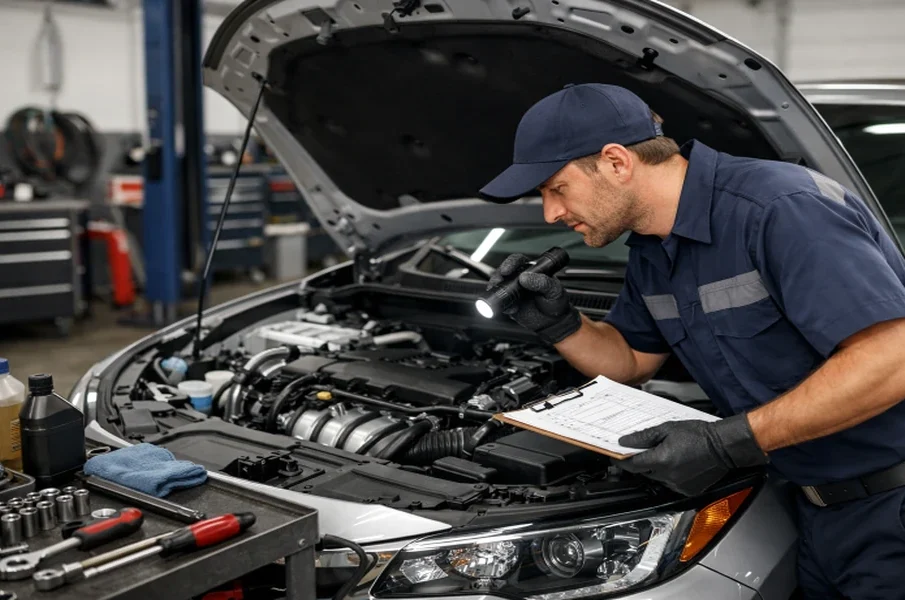
If you lack the expertise to handle certain maintenance tasks, turning to a certified mechanic is a wise decision. Professional mechanics ensure your vehicle gets the thorough inspection and care it needs, especially for complex systems that require specialized tools and training.
Regular Oil Changes
Oil is the lifeblood of your vehicle’s engine. It lubricates, cools, and protects moving parts from wear. Over time, oil degrades and accumulates debris, making it less effective. For most vehicles, experts recommend changing the oil every 5,000 to 7,500 miles, though this may vary depending on your owner’s manual and driving habits. Consistent oil changes help prevent engine damage, preserve efficiency, and reduce emissions.
Tire Maintenance
Tires play a pivotal role in your vehicle’s handling, safety, and fuel economy. Three fundamental aspects of tire maintenance include:
- Pressure Checks: Keeping your tires properly inflated prevents uneven wear, boosts fuel economy, and maintains traction. Check tire pressure monthly and before long trips.
- Tread Depth: Sufficient tread ensures traction on wet or slick surfaces. Monitor your tread and replace tires when it dips to 2/32 of an inch.
- Rotation: Regular rotation, recommended every 5,000 to 8,000 miles, prolongs tire life by evening out wear patterns across all four tires.
Brake System Checks
Well-maintained brakes are vital for your safety and for protecting others. Regular inspection of brake pads and rotors identifies early signs of wear, such as squeaking noises or decreased stopping power. If you notice any warning signs, prompt service prevents more extensive damage to costly components and ensures your vehicle can stop effectively during emergencies.
Fluid Level Inspections
In addition to engine oil, your vehicle relies on several other fluids:
- Coolant: Maintains optimal engine temperature and prevents overheating. Check coolant levels monthly, and ensure the mixture is appropriate for the current season.
- Transmission Fluid: Serves critical functions in automatic and manual transmissions, such as lubrication and cooling. Periodic fluid checks and changes keep gear shifts smooth and responsive.
- Brake Fluid: Essential for responsive braking. Monitor for changes in color or consistency, and replace according to your vehicle’s maintenance schedule.
Skipping fluid checks increases the risk of significant mechanical problems.
Battery Maintenance
Your car’s battery supplies the power needed to start the engine and run essential electrical systems. Common battery issues include corrosion on the terminals, diminished charge, or internal failure after years of use. Cleaning terminals, testing charge levels, and replacing the battery at intervals of about three to five years reduces the chances of inconvenient no-start situations, particularly during extreme weather.
Air Filter Replacement
The engine air filter prevents dirt and debris from entering the engine. A clogged or dirty filter limits airflow, reducing power and efficiency. Check your air filter at least every 12,000 miles, or sooner if you frequently drive in dusty conditions. Simple replacements keep the engine healthy and operating at peak performance.
Windshield Wiper Care
Visibility is critical in all weather conditions. Windshield wipers should be replaced once a year, or as soon as you notice chattering, streaking, or skipping. Worn blades can impair your ability to see the road clearly, especially during rain or winter weather.
Light and Electrical System Checks
Fully functioning headlights, brake lights, and turn signals are essential for safe driving and legal compliance. Regularly inspect your vehicle to ensure all lights work, and replace any bulbs that are out. Also, periodically check key electrical parts like the alternator and starter to prevent failures. These maintenance practices extend your vehicle’s lifespan, improve reliability, reduce costly repairs, and enhance safety. Proactive car care ensures smoother performance and confidence on every drive.
Conclusion
In conclusion, consistent vehicle maintenance is essential for ensuring safety, reliability, and long-term performance. Routine tasks such as oil changes, tire care, brake inspections, and fluid checks help prevent major mechanical issues, improve efficiency, and extend your car’s lifespan. Paying attention to key components like the battery, air filters, wipers, and lighting systems further enhances driving safety and comfort in all conditions. By staying proactive with regular upkeep, drivers can reduce unexpected breakdowns, lower repair costs, and enjoy a smoother, more dependable driving experience every time they hit the road.