
From a Tokyo dismantling yard to your garage: how JDM engines get here
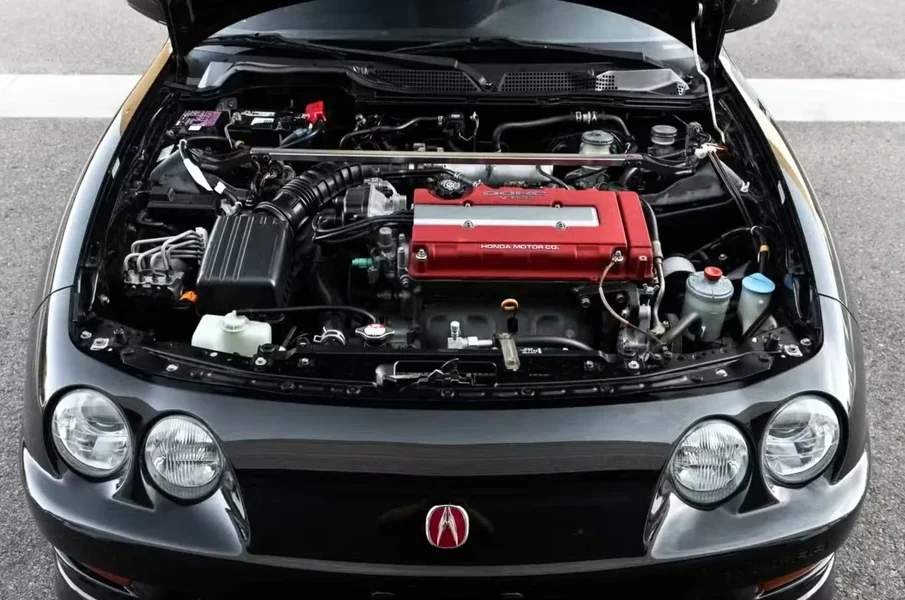
The engine sitting on a pallet in a Texas warehouse started its life in a car driving the streets of Osaka or Nagoya. The path it took to get from there to here involves an inspection regime most Americans have never heard of, an export industry built around it, and a set of import rules that shape exactly what can and cannot cross the Pacific. Understanding that journey explains why these engines are such good value, and what buyers should actually expect when one arrives.
The story begins with a uniquely Japanese institution.
Why Japan exports so many good engines
The engine behind the entire JDM trade is a regulation called shaken, Japan’s mandatory vehicle inspection system. Every car must pass periodic inspections, and the cost of compliance climbs steeply as a vehicle ages. Older cars face higher fees and more expensive required maintenance, which makes keeping them economically irrational for many owners well before the vehicle is mechanically worn out. A car that would be considered barely broken in by American standards can become a financial burden in Japan simply because of how the inspection schedule is structured.
The result is a constant supply of relatively young, low-mileage vehicles retired from Japanese roads. Rather than scrap usable parts, an entire industry recovers and exports them. Engines and transmissions with plenty of service life left get pulled, cataloged, and shipped abroad. To see the kind of inventory that recovery chain ultimately produces, you can learn more here and browse units by make and model. The cars that donated those engines were often parked not because they failed, but because Japan’s system made retiring them the sensible financial move.
That fact reframes the whole market. A used domestic engine pulled from a salvage yard here usually comes from a car that crashed or wore out. A JDM unit frequently comes from a car that was still perfectly serviceable. The donor was retired by economics, not by mechanical failure, and that distinction is the quiet advantage running underneath every imported engine.
This is the structural reason JDM engines tend to undercut comparable used domestic units on both price and mileage. The supply exists because of policy, not luck.
What happens at the dismantling yard
In Japan, specialized dismantlers remove engines and transmissions with a level of care that reflects the export market they serve. Units are pulled, the obvious wear items assessed, and the components prepared for international shipping. The better operations keep units protected from the elements and document what they send.
From there, engines are crated and loaded into shipping containers bound for ports in North America. A single container can carry many units, which is part of what keeps freight costs manageable on a per-engine basis. The crossing takes weeks, and the engines arrive at the importer’s facility for the next stage.
Inspection on this side of the ocean
A reputable importer does not simply receive a container and list everything for sale sight unseen. The units get inspected on arrival. Compression testing, visual assessment, and verification of what each engine actually includes are the steps that separate a serious operation from a flipper moving crates.
This is the stage that should matter most to buyers, because it is where the real value verification happens. An engine that has been tested and inspected on US soil, by the company selling it and standing behind it with a warranty, is a fundamentally different product from one passed along untested. When you shop, the inspection and warranty practices of the seller tell you more than any single listing detail.
It also explains why prices vary between sellers offering what looks like the same engine. A unit that was inspected, tested, properly stored, and backed by coverage carries costs that a flipper moving untested crates simply does not absorb. The lower price on the untested unit is not a better deal. It is the inspection step you will end up performing yourself, on your own dime, after the engine is already in your driveway.
The rules that govern what can be imported
US import law shapes this market in specific ways. Engines and transmissions as standalone parts are treated differently from complete vehicles, which is why the parts trade is robust even for platforms whose whole cars cannot legally be imported. For complete vehicles, the well-known federal rule generally bars importing cars that do not meet US standards until they are 25 years old, which is why certain iconic Japanese models only became legally importable as they crossed that age threshold.
Emissions and safety oversight at the federal level comes through agencies including the EPA and NHTSA, while the practical emissions rules that affect whether your finished car is street legal are set and enforced locally. The takeaway for an engine buyer is to understand your own state and municipal requirements before purchasing, since compliance is determined where you register the car, not where the engine was built.
What to expect when your engine arrives
Set realistic expectations and the experience goes smoothly. A JDM engine is a used unit, even a low-mileage one, so it may show cosmetic age, some surface grime, and the wear consistent with its history. What matters is mechanical health, not showroom appearance. Confirm before delivery exactly what is included, since a complete engine with accessories differs greatly from a long block.
Plan the logistics too. These are heavy freight items that ship on pallets, often requiring a liftgate or a commercial delivery point, so sort out the delivery details before the truck shows up rather than scrambling when it arrives. Inspect the unit promptly on arrival, photograph anything that looks off, and verify it matches what you ordered before you sign for it. A good importer makes this straightforward and is reachable if something is not right.
The journey from a Japanese dismantling yard to your garage is longer and more structured than most buyers realize. It runs on a foreign inspection system, an export industry, an ocean crossing, and a set of import rules, all of which combine to put a quality, low-mileage engine within reach at a fair price. Knowing how that chain works makes you a sharper buyer at the end of it, and helps you recognize the difference between a seller who respects the process and one who is just moving boxes. Ask where the unit came from, how it was inspected, and what stands behind it, and you are really asking whether the seller treats this chain as a craft or a shortcut. The answer shapes everything about the engine you eventually install.