From Plain to Pimp: How to Make Your White Motorcycle Helmet Uniquely Yours
Why White? The Science and Safety of Your Shell
Choosing a white motorcycle helmet isn’t just about aesthetics; it’s a strategic decision rooted in both science and safety. We understand that for many riders, safety is paramount, and a white helmet offers distinct advantages. Its inherent visibility ensures we’re seen more readily by other road users, a critical factor for accident prevention. Beyond that, the color white is a natural choice for solar reflection, which translates directly into enhanced thermal comfort during those scorching summer rides.
When we consider the structural integrity and performance, the materials comprising your helmet’s shell are crucial. Different composites offer varying degrees of impact performance and weight reduction.
Material Type Key Characteristics S Material Type Key Characteristics (White Helmet Context) Carbon Fiber Ultra-lightweight, highly durable, and typically the most expensive. Perfect for intricate custom paintwork. Fiberglass Strong, durable, and generally more affordable than carbon fiber. A popular choice for custom paint. ABS Plastic Entry-level material, heavier, and less impact-resistant than composites. Less common for high-end customization. Polycarbonate Similar to ABS but often more flexible. May be more susceptible to damage from certain paint solvents. Advanced Composites Blends of materials like carbon fiber, Kevlar, and fiberglass for optimal strength-to-weight ratio. Material Matters for 2026 Customization
As we look to the 2026 riding season, the choice of helmet material forms the bedrock of any successful customization. High-end custom white motorcycle helmets often begin with a lightweight yet incredibly strong shell. Carbon fiber is a prime example, offering maximum weight reduction and superior strength. Manufacturers like Super Seer utilize uni-directional advanced composite carbon fibers with custom-designed fiber angles to maximize strength and improve impact performance. This attention to detail extends to their manufacturing process, employing aerospace layup technology to ensure consistent shell thickness and integrity.
For those seeking a balance between performance and cost, a fiberglass composite shell remains an excellent option. Bell’s Custom 500, for instance, uses a fiberglass composite shell, offering a robust foundation for personalization. While polycarbonate shells are more common in entry-level helmets, they can still be customized, though care must be taken with paint solvents to avoid compromising the shell’s integrity. Regardless of the material, consistent shell thickness is vital for even impact absorption.
Ensuring your helmet meets stringent safety standards is non-negotiable. We always advocate for helmets that carry certifications like SNELL K-2020 (a rigorous standard often preferred for racing) or ECE 22.06 standards (the European standard, increasingly recognized globally for its comprehensive testing). These certifications confirm that the helmet’s design and materials provide the necessary protection, even before any customization begins. For a wider selection of high-quality, pre-certified helmets ready for your personal touch, explore the offerings of biker-curated custom white motorcycle helmets.
The Visibility Factor on American Highways
The stark contrast of a white helmet against the varied backdrops of American roads significantly enhances our daytime conspicuity. Whether we’re cruising through urban landscapes or winding along rural routes, white stands out. This is particularly true against the dark asphalt of highways, where other colors can blend in. At night, while reflective elements are key, a white base provides a brighter canvas for any added reflective materials, further improving nighttime reflection.
The science backs this up: studies consistently show that lighter-colored helmets are associated with higher visibility for other drivers. This isn’t just about being seen; it’s about being seen sooner, giving other drivers more time to react. This becomes even more crucial in states with diverse riding conditions, such as North Carolina, where winding mountain roads and bustling city streets demand maximum rider visibility. Prioritizing a white helmet is a simple yet effective step we can take to increase our safety margin on every ride.
Biker-curated custom white motorcycle helmets: Methods and Trends
Once you’ve chosen your pristine white canvas, the real fun begins: transforming it into a unique statement. Customizing your helmet allows us to infuse our personality into our gear, making every ride feel truly our own.
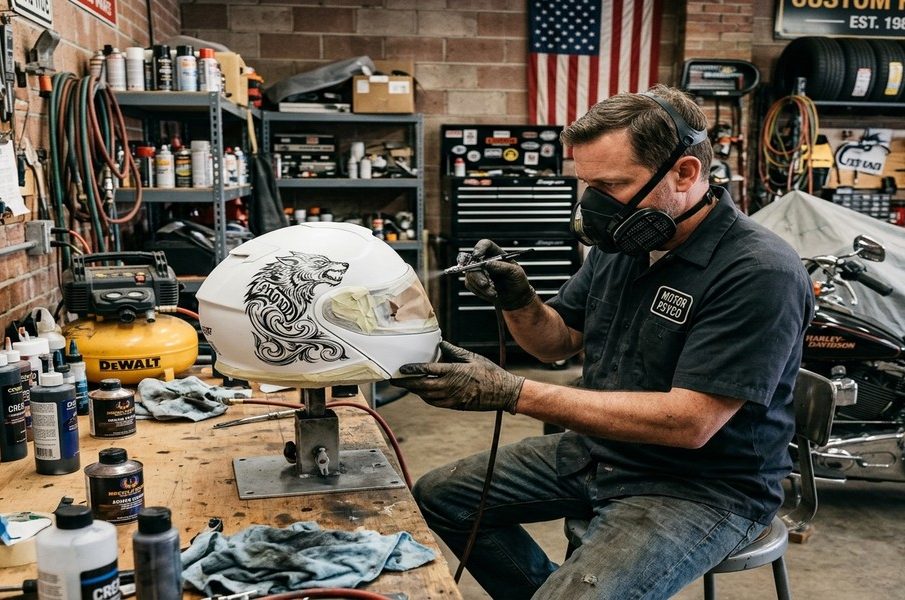
There are several popular methods for achieving a personalized look. Hand-painted art through airbrushing is arguably the most intricate and visually stunning. Skilled artists can create incredibly detailed designs, from subtle pinstripes to elaborate murals. This process often involves multiple layers of paint and clear coat to ensure durability and a smooth finish. For those who prefer a less permanent or DIY approach, vinyl wraps offer a fantastic alternative. These can be designed digitally and applied with precision, offering a wide array of colors, textures, and graphics. They’re also reversible, allowing us to change our helmet’s look whenever inspiration strikes. For simpler accents or touch-ups, water-based acrylics can be used, but always ensure they are compatible with your helmet’s shell material and sealed with a protective clear coat.
When undertaking any customization, especially painting, it’s critical to understand the process and potential pitfalls. For invaluable tips on helmet repair, maintenance, and customization education, we often turn to experienced voices in the community, including Sonny Da Badger, for practical advice on keeping your lid in top shape and exploring DIY techniques. After any paintwork, durable clear coat finishes are essential to protect your artwork from UV rays, scratches, and the elements, ensuring your custom design lasts for many riding seasons.
Designing Biker-curated custom white motorcycle helmets for 2026
The design possibilities for a white motorcycle helmet in 2026 are virtually limitless, reflecting the diverse tastes of the riding community. We’re seeing a strong resurgence of retro-vintage styles, drawing inspiration from the classic helmets of the 1950s. Think clean lines, subtle stripes, and timeless logos that evoke a sense of nostalgia while still feeling fresh. Bell’s Custom 500, for example, is a modern take on their original 1954 design, offering a perfect base for this aesthetic.
On the other end of the spectrum, bold and imaginative designs are gaining traction. Fantasy skull designs, intricate tribal patterns, and vibrant graphic elements are popular choices for riders who want to make a powerful visual statement. Pinstriping, whether minimalist or elaborate, adds a touch of classic custom culture, often in contrasting colors like black, gold, or silver against the white. For those who crave an extra dimension, iridescent paint can create stunning color shifts depending on the light, adding a dynamic flair to your white helmet.
The choice between matte vs. gloss finishes also plays a significant role in the overall look. A matte white helmet offers a sleek, modern, and understated elegance, while a high-gloss finish provides a brilliant, eye-catching shine that makes colors pop. Many customizers also integrate specialized effects like metal flake, candy colors, or even subtle ghosting techniques. For endless design inspiration and to connect with other riders showcasing their unique lids, we recommend exploring the vibrant discussions and galleries within the Support Bikers Community.
The Cost of Biker-curated custom white motorcycle helmets
The investment in a custom white motorcycle helmet can vary significantly, depending on the complexity of the design, the chosen customization method, and whether you opt for DIY or professional services.
For riders on a DIY budget, customizing a white helmet with decals, paint pens, or simple spray paint can range from as little as $20 to $100. This approach offers creative freedom at a low cost, but requires careful planning and execution to avoid compromising the helmet’s finish or safety features.
When it comes to professional customization, airbrushing is a popular choice, offering unparalleled detail and artistry. The cost for professional custom paintwork can range widely. A basic, simple custom paint job on an open-face helmet might start around $250. However, for intricate designs, multiple colors, special effects like iridescent paint, or full-face helmets, prices can easily climb to $500, $1,000, or even $1,500+, not including the cost of the helmet itself. For example, some high-end custom designs from specialists like Helmade can start around $1,299.00 for an Arai helmet.
It’s important to factor in lead times for professional custom work. Because these are often handcrafted, built-to-order pieces of art, artists require time. Typical lead times for custom painted motorcycle helmets range from 6-8 weeks, though highly complex designs or busy periods might extend this further. It’s always advisable to inquire about current lead times when commissioning a piece. For those looking to compare styles, finishes, and ready-to-customize options, browsing Biker-curated custom white motorcycle helmets can help narrow down the right base helmet before starting a project. For those looking to undertake DIY projects, finding the right tools is key, and many riders consult Sonny Da Badger’s recommended customization tools as a reference point when assembling their kit.
The 2026 Blue Ridge Parkway Itinerary: Testing Your Custom Lid
What better way to put your newly customized white helmet to the test than on one of America’s most iconic motorcycle routes? The 2026 Blue Ridge Parkway itinerary offers the perfect backdrop for evaluating your custom lid’s performance, comfort, and, of course, its head-turning appeal.
Imagine a full-day trip through the stunning Appalachian Mountains of North Carolina and Virginia. The Parkway’s gentle curves, breathtaking scenic overlooks, and gradual elevation changes provide an ideal environment to assess your helmet’s fit, ventilation, and aerodynamics. You’ll experience varying speeds, allowing you to gauge wind noise testing and how your custom additions affect the overall aerodynamic performance of your helmet. A well-designed custom helmet should feel like an extension of you, not a distraction.
Morning: From Asheville to Little Switzerland
Our journey begins in the vibrant city of Asheville, North Carolina. Before hitting the Parkway, we recommend a stroll through the River Arts District murals for some pre-ride inspiration and a hearty breakfast at Sunny Point Café. From there, we’ll merge onto the Blue Ridge Parkway, heading north. The morning ride will take us past iconic landmarks like the Linn Cove Viaduct, a marvel of engineering that seemingly floats along the mountainside.
As we navigate the Parkway, we’ll pay close attention to the 2026 road conditions, which are typically well-maintained but can vary with weather. This stretch offers plenty of opportunities to test your helmet’s visor clarity, ventilation system, and how your custom paintwork holds up to the morning sun. For insights into local riding events, road conditions, and community gatherings, keep an eye on Sonny Da Badger’s event highlights.
Afternoon: Lunch and Legal Peace of Mind
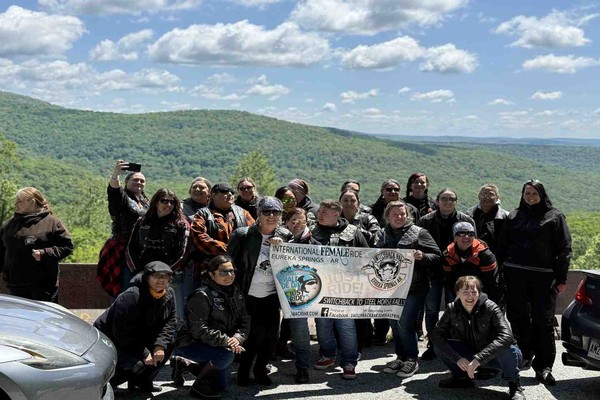
By lunchtime, we’ll arrive in the charming village of Little Switzerland, perched high in the mountains. The Little Switzerland Cafe is a local favorite, offering delicious fare like smoked trout and unparalleled mountain views from its terrace. This is a great opportunity to relax, refuel, and reflect on the morning’s ride.
While enjoying the scenery, it’s a good time to consider the practicalities of riding in North Carolina. Understanding North Carolina motorcycle laws is crucial for a worry-free trip. This includes helmet laws, lane-splitting regulations, and accident procedures. Should you ever find yourself in an unfortunate situation, knowing where to turn for legal assistance is invaluable. For expert guidance on motorcycle accident claims and legal rights, we recommend consulting specialists like Maginnis Howard. Before heading back, a quick stop at Bert’s Black Widow Harley Davidson, a dealership with a rich history in the region, can offer a glimpse into the local motorcycle culture.
Protecting Your Brain and Your Legal Rights in 2026
When we customize our helmets, its primary function is safety. The integrity of its protective capabilities must never be compromised. Always ensure your helmet maintains its DOT certification (for the United States) and/or ECE standards (for Europe and many other parts of the world). These certifications are your assurance that the helmet has met rigorous safety tests.
The legality of helmet modification can be a complex area. While minor aesthetic changes like vinyl wraps or carefully applied paint are generally accepted, significant structural alterations or painting over safety labels (such as DOT stickers) can render your helmet non-compliant and potentially illegal in some jurisdictions. Furthermore, such modifications could have serious insurance implications, potentially affecting payouts in the event of an accident. We always advise checking local regulations before embarking on extensive customization.
When adding accessories, be mindful of creating snag points or large, protruding objects that could catch during a slide and cause rotational forces to your head and neck. This is where accessory safety becomes paramount. For riders seeking support and resources after an incident, including guidance on navigating insurance and legal matters, the community often turns to advocates like Sonny Da Badger for accident support. Their insights can be invaluable in understanding how to protect both your brain and your rights.
Maintaining Your Custom Finish
A custom white motorcycle helmet is an investment, both financially and in personal expression. Proper maintenance is key to preserving its artwork and protective qualities.
Our cleaning protocols should always start with non-abrasive, pH-neutral cleaners specifically designed for helmet surfaces. Avoid harsh chemicals or solvents, as these can damage paintwork, clear coats, and even the helmet’s shell material. For general cleaning, a soft microfiber cloth dampened with water and a mild soap solution is usually sufficient.
To protect your custom paint from fading and degradation, regular UV protection is crucial. Many clear coats offer UV inhibitors, but an additional layer of UV-protective wax or ceramic coating can extend the life and vibrancy of your design. Apply wax applications sparingly and with a soft cloth, buffing gently to a shine.
Don’t forget the interior! Regular liner care is essential for hygiene and comfort. Many modern helmets feature removable, washable liners. For those with fixed liners, specialized helmet interior cleaners can help. Many high-quality helmets also feature antimicrobial padding, which helps prevent odor and bacterial growth, but even these benefit from regular cleaning.
Frequently Asked Questions about Custom White Helmets
Does painting a helmet void the safety warranty?
Generally, yes, painting a helmet can void its manufacturer’s warranty and potentially its safety certification. Helmet manufacturers typically advise against any modifications, including painting, as the chemicals in paints and thinners can react with the helmet’s shell materials (especially polycarbonate or EPS liner), potentially weakening them. If you’re considering custom paint, it’s best to consult the helmet manufacturer’s guidelines or opt for professional customizers who use compatible, helmet-safe paints and techniques.
How long do vinyl helmet wraps typically last?
Vinyl helmet wraps are quite durable and usually last between 5 to 7 years, depending on the quality of the vinyl, the application process, and exposure to elements like direct sunlight and harsh weather. High-quality outdoor-grade vinyl, properly applied by a professional, will offer the best longevity. Unlike paint, vinyl wraps are reversible and can be removed without damaging the original finish underneath, making them a popular choice for temporary or frequently changing designs.
Can I add 3D accessories like fins or ears safely?
Adding 3D accessories like fins, horns, or cat ears to your helmet requires careful consideration for safety. While small, flexible, and securely attached accessories might pose minimal risk, any object that protrudes significantly or is rigid can create a “snag point” during a crash. This means the accessory could catch on the road surface or an obstacle, potentially increasing rotational forces on your head and neck, which can lead to more severe injuries. It’s generally recommended to avoid such accessories, or at least choose ones that are designed to detach easily upon impact. Always prioritize your safety over aesthetics.
Conclusion
Personalizing your gear is the ultimate way to stand out during the 2026 rally season. Whether we are cruising the Blue Ridge Parkway or heading to a major event in Florida, a custom white helmet offers the perfect blend of safety, comfort, and “pimped-out” style. We’ve explored the myriad benefits, from enhanced visibility and thermal comfort to the vast creative possibilities of customization. From choosing the right materials like carbon fiber to understanding the intricacies of airbrushing or vinyl wraps, making your helmet uniquely yours is an exciting journey.
However, we must always ensure our modifications stay within safety standards and legal guidelines. Prioritizing DOT and ECE certifications, understanding the impact of paints on materials, and being mindful of accessory safety are paramount. Ride with confidence, knowing your helmet not only reflects your style but also provides the protection you need. Always ride with the support of the community behind you.
Follow Support Bikers for more gear guides and community updates.
Support the Wrecked Rider Fund