
Is Your Clutch Shuddering? Hidden Flywheel Problems Could Be the Real Cause
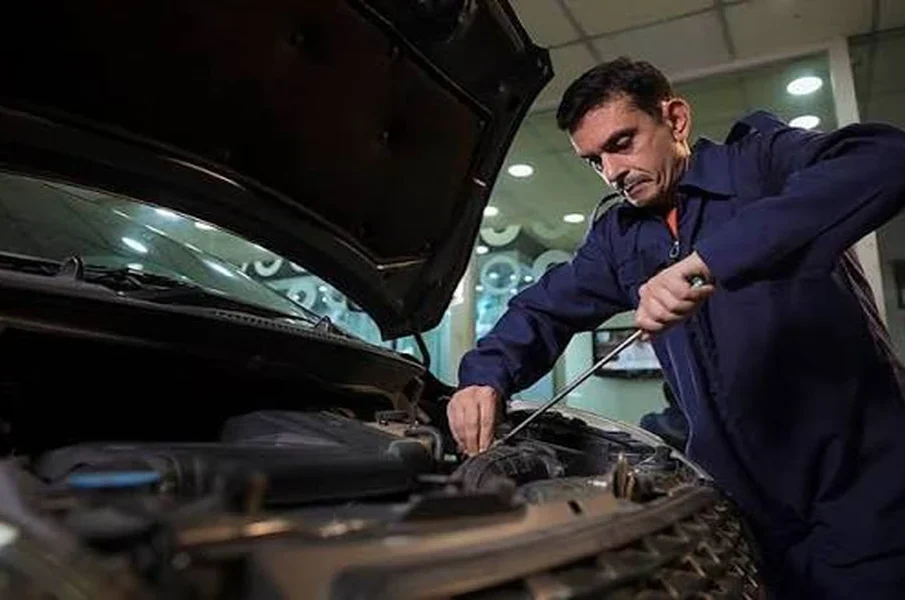
The flywheel plays an important role in smooth clutch operation and engine power transfer. When the flywheel develops faults, the clutch may experience unusual pressure. Sometimes the symptoms appear during starting or gear changes. But other signs can develop gradually through regular driving conditions. Understanding flywheel problems can help identify clutch concerns before damage becomes severe. Now professional inspection becomes important when unusual clutch behavior continues during everyday driving.
A Worn Flywheel Surface Can Affect Clutch Engagement
The flywheel provides a smooth contact surface for the clutch friction plate. A damaged surface can prevent proper contact between these important components. Uneven contact may cause vibration during clutch engagement and vehicle movement. Sometimes noticeable shuddering appears while releasing the clutch pedal slowly. The condition can become worse when the vehicle carries heavier loads.
Heat generated during repeated clutch operation can also affect flywheel surfaces. Excessive heat may create hardened areas across the contact surface. These areas can reduce friction consistency during normal clutch engagement. Consequently, the vehicle may develop juddering or inconsistent power delivery. CornerStone Auto Care can inspect the flywheel when clutch engagement becomes increasingly uncomfortable.
Flywheel Warping Can Create Persistent Clutch Vibrations
A flywheel must maintain an even shape for smooth clutch operation. Excessive heat can sometimes cause the metal surface to become distorted. A warped flywheel cannot provide consistent contact across the clutch plate. This condition may produce vibrations whenever the clutch engages during driving. The vibration can become especially noticeable during slower acceleration.
A distorted flywheel can also increase stress across the clutch assembly. Continuous stress may accelerate wear across other clutch components. Therefore, replacing only, a damaged clutch plate may not solve everything. The underlying flywheel condition should receive careful attention during clutch repairs. CornerStone Auto Care can assess the complete assembly before recommending suitable repair work.
Why Proper Flywheel Inspection Matters During Clutch Repair
A clutch repair should not focus only on the visible clutch plate. The flywheel remains closely connected with overall clutch engagement quality. Ignoring flywheel damage can allow the same symptoms to return after repairs. A technician should therefore inspect contact surfaces before installing replacement components. Proper preparation can improve clutch operation and support longer component service.
The correct repair approach depends upon the type and severity of damage. Minor surface imperfections may sometimes respond to professional resurfacing. Significant cracks or severe distortion can require complete flywheel replacement. The clutch assembly should also receive suitable inspection during this process. Auto Repair in Bend, OR service can provide professional assistance when flywheel problems affect clutch performance.
Conclusion
A careful diagnostic process helps prevent unnecessary repairs and repeated workshop visits. CornerStone Auto Care can evaluate unusual clutch symptoms and determine possible flywheel involvement. Professional attention can restore smoother engagement and more dependable power transfer. Ultimately a healthy flywheel supports consistent clutch performance during everyday driving.