
Maximizing Longevity: What to Look for in Pre-Owned Vehicles
Strategic Maintenance for Superior Pre-Owned Vehicle Quality
Buying a pre-owned vehicle is a smart decision for many of us. It saves money and often provides excellent value. But how do we ensure that our chosen used car will last for years?
The key is knowing what to look for. It’s not just about a low price. It’s about finding a vehicle with the potential for a long and reliable life. We want a car that stays on the road, not in the repair shop.
This guide will help you pick a used car that goes the distance. We will cover important checks, maintenance tips, and smart repair strategies. We will also look at how recycled parts can play a role. Our goal is to empower you to make informed choices. This way, you can enjoy your pre-owned vehicle for a very long time.
Finding the best pre-owned vehicle quality means looking beyond the surface. It involves understanding a vehicle’s history and potential. We will explore these aspects together.
When considering a pre-owned vehicle, its maintenance history is paramount. A car that has been consistently and properly maintained is far more likely to offer superior long-term reliability. We look for evidence of meticulous care, which translates directly into the vehicle’s mechanical integrity and its ability to withstand the rigors of daily use. This proactive approach to vehicle care is a strong indicator of its potential longevity and overall quality.
Evaluating History Reports
One of the first and most crucial steps in assessing a pre-owned vehicle’s quality is to delve into its history reports. These comprehensive documents provide invaluable insights that can make or break a purchasing decision. We scrutinize these reports for several key indicators:
- Accident History: A clean accident history is often preferred, though minor incidents with professional repairs may be acceptable if thoroughly documented. We look for evidence of major collisions, frame damage, or airbag deployment, which can significantly impact a vehicle’s structural integrity and safety.
- Title Status: This field reveals critical information. We ensure the title is “clean,” meaning it hasn’t been branded as salvage, flood-damaged, rebuilt, or lemon. A branded title can indicate severe past damage and may affect future insurance and resale values.
- Odometer Verification: Odometer fraud, though less common now, can still occur. History reports often cross-reference mileage entries from various sources, helping us verify that the displayed odometer reading is accurate and hasn’t been tampered with.
- Ownership Intervals: Frequent changes in ownership within a short period can sometimes be a red flag, potentially indicating unresolved mechanical issues or dissatisfaction from previous owners. Conversely, long ownership periods often suggest a reliable vehicle that met its owners’ needs.
These reports serve as a vital diagnostic tool, offering a window into the vehicle’s past life and helping us make an informed assessment of its current condition and future potential.
Identifying Signs of Long-Term Care
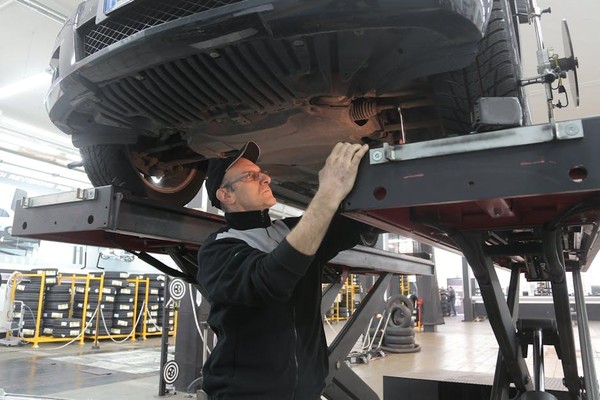
Beyond the digital records, physical inspection of a pre-owned vehicle can reveal much about its long-term care and the habits of its previous owners. We pay close attention to details that indicate whether the vehicle has been cherished or neglected:
- Engine Cleanliness: A clean engine bay suggests the owner takes pride in their vehicle and likely performs regular maintenance. Excessive dirt, grime, or fresh oil leaks could point to neglect or underlying mechanical issues. We look for signs of consistent cleaning, not just a quick wipe-down before sale.
- Tire Wear: Even and consistent tire wear across all four tires is a good sign of proper wheel alignment and regular tire rotation. Uneven wear patterns (e.g., more wear on one side, cupping, or feathering) can indicate suspension problems, alignment issues, or a lack of attention to basic maintenance.
- Interior Preservation: The condition of the interior often reflects how the vehicle was treated overall. We check for excessive wear and tear on seats, carpets, and controls. A well-preserved interior, free from strong odors, significant stains, or broken components, suggests careful ownership.
- Electronic Functionality: We test all electronic components, including the infotainment system, power windows, climate control, and all dashboard lights. Malfunctioning electronics can be costly to repair and might indicate deeper electrical issues or water damage.
These physical cues, combined with a thorough review of service records (which detail routine maintenance, repairs, and fluid analysis), paint a comprehensive picture of a vehicle’s past life. A car with a solid service history and visible signs of care is a strong candidate for providing reliable transportation for years to come.
The Role of Recycled Components in Extending Vehicle Life
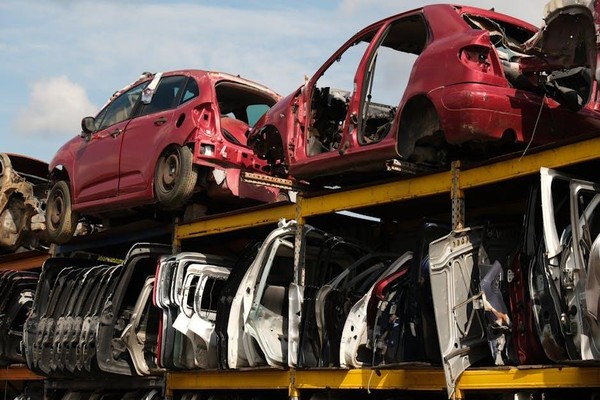
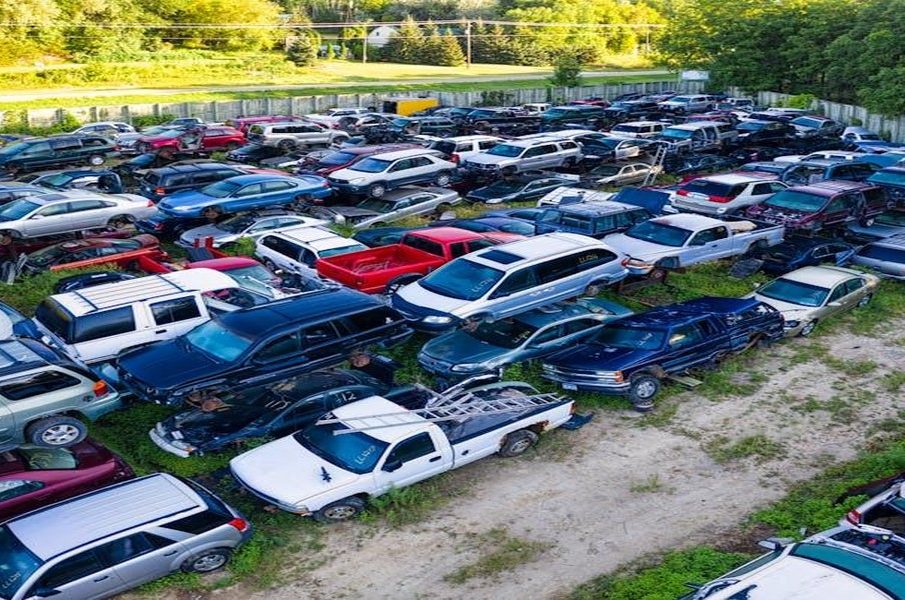
In our quest to maximize vehicle longevity and promote sustainable practices, we often turn to recycled components. These parts, sourced from salvage junk yards, play a crucial role in extending the life of existing vehicles, offering a cost-effective and environmentally friendly alternative to new parts. By giving these components a second life, we conserve resources and reduce the environmental footprint of automotive manufacturing.
Evaluating Pre-Owned Vehicle Quality via Component Sourcing
When it comes to maintaining or repairing a pre-owned vehicle, the origin and quality of replacement parts are critical. Sourcing components from reputable salvage yards allows us to uphold OEM (Original Equipment Manufacturer) standards without the premium price tag of new parts. Salvage inventory consists of genuine parts that were designed for the vehicle, ensuring optimal fit and function.
We consider several factors when evaluating the quality of pre-owned vehicles and the components used in their upkeep:
- OEM Standards: Recycled parts are often original equipment, meaning they meet the exact specifications and quality standards set by the vehicle manufacturer. This is particularly important for complex systems where aftermarket parts might not offer the same level of integration or performance.
- Salvage Inventory: Modern salvage yards, such as those operated by major national chains like LKQ Pick Your Part, Pull-A-Part, and GO Pull-It, maintain vast inventories. For instance, LKQ Pick Your Part processes over 600,000 vehicles yearly, making it the nation’s largest vehicle recycler and a significant source of quality recycled parts. These facilities often organize vehicles by manufacturer, making it easier to find compatible components. GO Pull-It, for example, organizes over 1,000 vehicles by manufacturer in its Southeast regions, streamlining the search process.
- Structural Integrity: For parts like body panels, frames, or suspension components, we assess their structural integrity to ensure they haven’t been compromised. Reputable salvage yards inspect parts for damage before making them available.
- Cost-to-Value Ratio: Recycled parts offer an excellent cost-to-value ratio. They deliver the performance and reliability of OEM parts at a fraction of the cost, making repairs more affordable and extending a vehicle’s economic life.
Here is a LIST of common recycled parts that can be sourced from salvage yards:
- Engines and Transmissions
- Alternators and Starters
- Radiators and Condensers
- Headlights and Taillights
- Bumpers and Fenders
- Doors and Hoods
- Interior Components (seats, dashboards, consoles)
- Wheels and Tires
- Electronic Control Modules (ECMs)
- Suspension Components (struts, control arms)
Self-Service vs. Full-Service Salvage Options
The world of salvage yards offers two primary models for acquiring parts: self-service (often called “U-Pull-It” yards) and full-service. Each has distinct advantages and disadvantages, catering to different needs and skill levels.
Self-Service U-Pull-It Yards: Perfect for DIY enthusiasts and those seeking the absolute lowest prices.
- Advantages: Lowest Prices: Parts are typically significantly cheaper than at full-service yards or new.
- Hands-on Experience: You get to inspect and remove the part yourself, ensuring it meets your standards.
- Learning Opportunity: Great for understanding vehicle mechanics.
- Extensive Inventory: Often have a wide array of vehicles to choose from.
- Disadvantages: Tool Requirements: You must bring your own tools.
- Physical Effort: Requires manual labor to remove parts.
- No Warranty: Parts are usually sold “as-is” with no warranty.
- Time-Consuming: Finding and removing parts can take time.
- Preparation Needed: You need to know what part you’re looking for and how to remove it.
- Safety Concerns: Working in a junkyard environment requires vigilance and safety gear.
- Tool Requirements: Essential tools include a socket set, wrenches, screwdrivers, pliers, a pry bar, a hammer, and, if needed, specialized tools for specific parts. Safety gear like gloves, safety glasses, and sturdy boots are a must.
- Inventory Tracking: Many modern self-service yards, like those under the Pull-A-Part umbrella (operating 25+ locations nationwide), offer online inventory search tools that let you check whether a specific vehicle model is available before visiting.
Full-Service Salvage Yards: These yards cater to those who prioritize convenience and often come with added assurances.
- Advantages:Convenience: Parts are professionally removed by staff.
- Warranties: Typically offer 45-90 day warranties on mechanical parts, providing peace of mind. Prestige Auto Parts, for instance, offers a standard 3-month warranty on all mechanical parts.
- Delivery Services: Many offer local delivery and, in some cases, shipping.
- Expert Assistance: Staff can help locate specific parts.
- Installation: Some full-service yards, like Jack Auto in Montreal, even offer installation services for major components, such as engines and transmissions.
- Disadvantages: Higher Prices: Parts are more expensive than at self-service yards due to labor and warranty costs.
- Less Control: You don’t get to inspect the part on the vehicle before removal.
- Limited Negotiation: Prices are generally fixed.
- Delivery Services: Many full-service yards offer delivery, which is a significant advantage for heavy or bulky items. Prestige Auto Parts, for example, offers nationwide shipping with worldwide options on request.
Understanding these differences helps us choose the best option for our specific repair needs, balancing cost, convenience, and the desired level of involvement.
Cost-Effective Repair Strategies: New vs. Recycled Parts
Maintaining a pre-owned vehicle often involves choosing replacement parts. The decision between new OEM parts, aftermarket alternatives, and recycled salvage parts significantly impacts both our budget and the vehicle’s longevity. We aim to strike a balance, ensuring quality repairs without breaking the bank.
Maintaining Pre-Owned Vehicle Quality with Certified Used Parts
When opting for recycled parts, it’s crucial to understand that not all used parts are created equal. Many reputable full-service salvage yards offer “certified used parts” or parts that have undergone some level of inspection and testing.
- Functionality Testing: For critical components such as engines, transmissions, alternators, and electronic control modules (ECMs), advanced salvage yards conduct functionality tests. This ensures that the part is in working order before it’s sold.
- Mechanical Reconditioning: Some parts, especially larger assemblies, may undergo limited reconditioning. This isn’t a full rebuild, but rather a process to ensure the part is clean, free of obvious defects, and ready for installation.
- Performance Benchmarks: While not always as rigorous as new-part testing, reputable yards strive to ensure their used parts meet acceptable performance standards. This is where the warranty offered by full-service yards becomes invaluable, providing a safety net against unforeseen issues.
Understanding Savings and Value
The financial benefits of choosing recycled parts are substantial. Used auto parts from junkyards offer 70-90% savings compared to new parts, making them an incredibly attractive option for budget-conscious owners. Let’s look at some real-world examples:
Part Type New OEM Part Cost Full-Service Salvage Part Cost Self-Service Salvage Part Cost Savings (Self-Service vs. New) Alternator $100 – $400 $40 – $60 $20 – $30 70% – 90% Radiator $100 – $500 $60 – $100 $30 – $50 66% – 90% Electronic Control Module (ECM) $300 – $1,000 $100 – $250 $50 – $150 50% – 87% Headlight Assembly $150 – $500 $50 – $150 $25 – $75 50% – 87% This table clearly illustrates the significant cost advantages. For example, an alternator that might cost $100-$400 new could be found for just $20-$30 at a self-service yard, representing massive savings. These savings allow us to perform necessary repairs that might otherwise be prohibitively expensive, extending the life of our pre-owned vehicles.
Sustainable Ownership and Professional Recycling Standards
Our responsibility as vehicle owners extends beyond just maintenance and repairs; it also encompasses the environmental impact of our automotive choices. Sustainable ownership involves making conscious decisions that minimize harm to the planet, including how we source parts and how vehicles are managed at end of life. Salvage yards play a critical role in fostering green automotive practices through responsible recycling.
Warranty Protections for Used Components
When purchasing used auto parts, particularly from full-service salvage yards, understanding the warranty protections available is crucial. These warranties provide a layer of security, ensuring the part’s functionality and offering recourse if issues arise.
- Coverage Periods: Full-service salvage yards typically offer 45-90 day warranties on used auto parts. This period allows sufficient time to install and test the part, ensuring it performs as expected. For example, Miller’s Auto Recycling, a long-standing facility, offers a 121-day warranty on used vehicles, while Prestige Auto Parts offers a standard 3-month warranty on mechanical parts.
- Mechanical Guarantees: These warranties generally cover defects in functionality, meaning the part should work as intended when installed. They usually do not cover normal wear and tear or damage caused by improper installation.
- Return Policies: Familiarize yourself with the yard’s return policy, including any restocking fees or conditions. Some yards offer exchange programs for defective parts rather than cash refunds.
- Self-Service vs. Full-Service: As mentioned, self-service yards typically operate on an “as-is” basis with no warranties. This is a trade-off for the significantly lower prices. However, some may offer a limited exchange policy for certain items. Always ask about the specific warranty policy, coverage, and return procedures before making a purchase.
End-of-Life Vehicle Management
The responsible handling of End-of-Life Vehicles (ELVs) is a cornerstone of sustainable automotive practices. Professional salvage yards adhere to strict standards to ensure that vehicles are recycled in an environmentally sound manner, minimizing waste and preventing pollution.
- Fluid Depollution: Before dismantling, ELVs undergo a thorough depollution process. This involves carefully draining and properly disposing of all hazardous fluids, including engine oil, transmission fluid, brake fluid, coolant, and fuel. This prevents harmful chemicals from contaminating soil and water.
- Material Recovery: After depollution, vehicles are systematically dismantled. Valuable components are harvested for reuse (as recycled parts), while other materials, such as metals (steel, aluminum, copper), plastics, glass, and rubber, are separated for recycling. This process significantly reduces the amount of waste sent to landfills.
- Metal Shredding: What remains after component harvesting and material separation, primarily the vehicle’s metal shell, is sent to shredding facilities. Here, it’s broken down into smaller pieces, further separated by material type using magnetic and other technologies, and then sent to smelters for recycling into new products.
- Certification Standards: Many professional auto recyclers operate under various environmental certifications and adhere to industry best practices, such as those promoted by associations like ARPAC (Association des Recycleurs de Pièces d’Autos du Québec). This commitment ensures that the recycling process meets high environmental and safety standards. Miller’s Auto Recycling, for instance, emphasizes its dedication to auto recycling with unparalleled service, focusing on preventing landfill waste and chemical leaching.
By understanding these processes, we can appreciate the significant environmental benefits of buying used parts and supporting salvage yards that prioritize responsible ELV management. It’s a key part of our collective effort towards a greener future.
Frequently Asked Questions about Vehicle Salvage and Quality
We often encounter common questions when discussing salvage yards and the quality of pre-owned vehicles. Here, we address some of these to provide clarity and practical advice.
How can I sell a vehicle to a salvage yard for the best return?
Selling your junk car to a salvage yard can be a straightforward process, but knowing the steps can help you maximize your return:
- Get a Quote: Most salvage yards, including major chains like Pull-A-Part and local operations like Jack Auto, offer instant quotes online or over the phone. You’ll typically need to provide details about your vehicle’s make, model, year, condition, and location. Be honest about its state to get an accurate offer.
- Provide Documentation: Have your vehicle’s title (if available and required by your state) and a valid ID ready. Some yards may require additional paperwork.
- Schedule Pickup: Reputable salvage yards offer free towing or pickup services. Once you accept the quote, they will schedule a time that is convenient for you to collect your vehicle.
- Receive Payment: Payment is usually made on the spot when the vehicle is picked up. This is typically cash, but some may offer checks or electronic transfers.
- Remove Personal Items: Before pickup, remember to remove all personal belongings, license plates (if required by your state), and cancel your insurance.
What should I know about purchasing parts from a self-service yard?
Purchasing parts from a self-service “U-Pull-It” yard can be a rewarding experience, offering significant savings. However, proper preparation and knowledge are key:
- Preparation Tips: Research: Know exactly which part you need, including its year, make, model, and any specific trim level or engine size. Cross-reference part numbers if possible.
- Tools: Bring a comprehensive set, including sockets, wrenches, screwdrivers, pliers, a pry bar, and a hammer. Consider a cordless impact wrench for easier removal of stubborn bolts.
- Safety Gear: Always wear sturdy closed-toe shoes, work gloves, and safety glasses. Some yards may require hard hats.
- Comfort: Bring water, snacks, sunscreen, and appropriate clothing for the weather. A small cart or wagon can be useful for transporting parts.
- Inventory Apps: Many modern self-service yards have online inventory systems or apps that allow you to check which vehicles are currently in their yard. This saves time by ensuring a compatible vehicle is available before you visit.
- Organization by Manufacturer: Yards like GO Pull-It organize vehicles by manufacturer, making it easier to find specific parts.
- Compatibility Cross-Referencing: Be aware that parts may be interchangeable across models or manufacturers. Online forums or parts databases can help you identify compatible parts for your vehicle.
- Inspection: Always thoroughly inspect the part you intend to purchase for damage, wear, or defects before removal. Most self-service parts are “as-is.”
Can a vehicle be sold for recycling without a title?
The ability to sell a vehicle for recycling without a title depends heavily on state or provincial regulations. While some states allow it under specific circumstances, others have strict requirements.
- State Regulations: In many jurisdictions, a title is required for any vehicle transaction, including selling to a salvage yard. This is to prevent the sale of stolen vehicles. However, some states may allow you to sell a vehicle without a title if it’s very old, has minimal value, or if you can provide alternative proof of ownership, such as a registration or bill of sale.
- Proof of Ownership: If a title is missing, you may need to apply for a duplicate title or provide other documentation proving you are the legal owner. This could include a valid registration, a notarized bill of sale from the previous owner, or a lien release if the vehicle was financed.
- Salvage Certificates: In some cases, a salvage yard can process a vehicle without a title if it is strictly for parts or scrap and issue a salvage certificate. This typically means the vehicle will never be able to be registered for road use again.
- Value Impact: Selling a car without a title may reduce its value, as the buyer (a salvage yard) assumes additional risk and administrative burden.
- Legal Documentation: Always check your local Department of Motor Vehicles (DMV) or equivalent agency’s website for specific requirements in your area. Reputable salvage yards will also be able to advise you on the necessary legal documentation.
Conclusion
Navigating pre-owned vehicles and their maintenance requires a blend of diligence, knowledge, and strategic decision-making. Our exploration has highlighted that achieving long-term reliability in a used car is not merely a stroke of luck but the result of informed purchasing and maintenance excellence. From meticulously evaluating history reports and identifying signs of long-term care to understanding the invaluable role of recycled components, every step contributes to extending a vehicle’s life.
By embracing sustainable repair ecosystems, we not only manage our budgets more effectively through significant savings on parts but also contribute positively to environmental conservation. The choice between self-service and full-service salvage options, the availability of warranties, and the commitment of professional recyclers to responsible end-of-life vehicle management all play crucial roles in this landscape. An informed approach empowers us to make smart choices, ensuring our pre-owned vehicles remain reliable companions for many years to come.