Modern Standards for the Automotive Buying Experience
Introduction
The automotive buying experience has changed dramatically. What used to be a simple transaction is now a complex journey. For many, understanding used car prices is at the heart of this change. It is no longer just about the sticker price. It involves deep market trends and economic shifts.
We know that a transparent and fair process is key. We aim to empower every buyer and seller with clear information. This helps you make smart decisions in a fast-moving market.
This guide will explore how modern standards are shaping today’s automotive market. We will look at current pricing trends and the factors that influence them. We will also discover how new approaches create a better experience for everyone seeking quality vehicles with Customer-first used car prices.
The Evolution of the Automotive Dealership Customer Experience
The modern automotive dealership is a far cry from its predecessors. Today, the focus is squarely on the customer, leveraging technology to create a seamless and efficient journey. Digital-first interactions have become the norm, allowing customers to research, compare, and even initiate purchases from the comfort of their homes. This shift is powered by omnichannel communication strategies, ensuring that whether a customer interacts online, via phone, or in person, their experience is consistent and personalized.
The industry is moving towards 100% digital trading, streamlining processes that once required extensive paperwork and multiple visits. This digital transformation extends to the wholesale market as well, where platforms facilitate B2B transactions with remarkable efficiency. For instance, in Europe, large wholesale platforms enable rapid, digital trading of used cars, showcasing the industry’s commitment to speed and transparency. This evolution ensures that the entire ecosystem, from wholesale acquisition to retail sale, operates with greater fluidity, ultimately benefiting the end consumer through better pricing and availability.
Personalization in the automotive dealership customer experience
At the core of the modern automotive buying experience is personalization. Buyers today expect more than just a car; they expect a solution tailored to their unique needs and financial situations. This means offering tailored financing options that fit individual budgets, often extending repayment terms to make high-value purchases more accessible. Data-driven recommendations play a crucial role here, with advanced analytics helping dealerships understand consumer preferences and suggest vehicles that truly align with their lifestyles and requirements.
For us, understanding consumer preferences goes beyond superficial choices. It involves delving into usage patterns, budget constraints, and long-term ownership goals to provide truly valuable insights. This level of personalization not only enhances the customer experience but also builds a stronger relationship based on trust and understanding.

Building Trust in the automotive dealership customer experience
Trust is the bedrock of any successful transaction, especially when it comes to significant investments like a used car. Modern dealerships prioritize transparency in every aspect of the buying process. This begins with comprehensive vehicle history reports, providing buyers with detailed insights into a car’s past, including ownership, accidents, and maintenance records. Services like CARFAX, for example, collect extensive data from millions of used cars across multiple countries, offering invaluable information to potential buyers. This empowers consumers to make informed decisions and even negotiate fair prices based on a vehicle’s documented history.
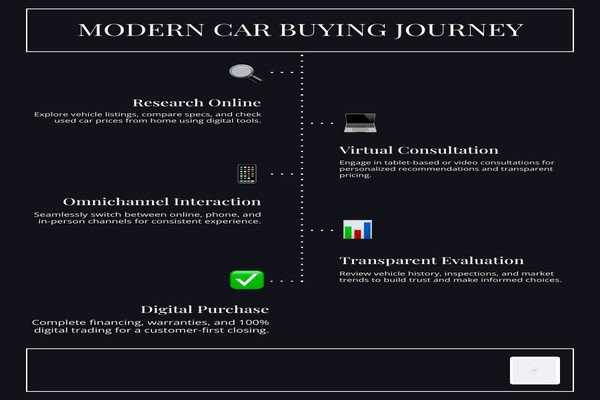
Transparent pricing is another non-negotiable element. Customers expect clear, upfront pricing without hidden fees or surprises. This includes detailed breakdowns of costs, taxes, and any additional services. Furthermore, rigorous inspection reports, conducted by expert mechanics, assure buyers of a vehicle’s mechanical integrity and safety. These inspections are a testament to the professional service offered, ensuring that every car meets stringent quality standards before it reaches the customer. By embracing these practices, we aim to foster an environment where buyers feel confident and secure in their purchase, knowing they have all the necessary information at their fingertips.
Navigating Current Used Car Price Volatility and Market Trends
The used car market has been a dynamic landscape over the past few years, characterized by significant price volatility. While we’ve seen periods of stabilization, understanding the underlying trends is crucial for both buyers and sellers. Recent data indicates subtle shifts, with used car prices experiencing slight month-over-month declines. For instance, the average used car was listed for $25,730 at the start of December, a decrease from $25,957 the month prior. This represents a modest 0.3% drop this month. However, it’s worth noting that prices can fluctuate, with some reports showing the average used car selling for $25,945 in October, up $56 from the month before, and 2% higher than a year ago.
Looking ahead, the average price of a used car was projected at $25,512 in October 2025, indicating a general trend of stabilization or slight decline. These figures highlight the importance of continuous price tracking and market monitoring. Resources like the CarGurus Pricing Index and weekly updates from platforms like CarEdge provide invaluable insights into these fluctuating trends, helping consumers stay informed.
Impact of vehicle age and mileage on pricing
The age and mileage of a used car significantly influence its price, and this segment has seen some of the most pronounced market dynamics. There’s a persistent demand for more affordable vehicles, particularly those priced under $15,000. However, this segment is also experiencing the tightest supply. Dealers currently have just a 36-day supply of older, higher-mileage used cars that sell for under $15,000, and a similar 34-day supply for all used cars under this price point. This scarcity means that older cars are appreciating more rapidly than younger ones, as budget constraints push more buyers towards these segments. The unique dynamics of this market segment underscore the broader challenges in inventory management and meeting diverse consumer needs.
Wholesale vs retail price dynamics
The interplay between wholesale and retail prices is a critical aspect of the used car market. Wholesale markets, where dealerships acquire their inventory, often serve as an early indicator of future retail price movements. According to Black Book’s market insights, wholesale used car prices have shown a steady, albeit slow, decline, falling for 25 consecutive weeks as of October. In the first week of October 2025, wholesale prices fell 0.26%. This trend in the wholesale market can eventually translate into retail price adjustments.
The historical context of these price dynamics is also illuminating. In 2021, a period of unprecedented market disruption, retail used car prices increased by 32-36%, while wholesale prices rose even more dramatically, by 52%. This significant margin compression and subsequent adjustments highlight the sensitivity of the market to external factors like supply chain disruptions and shifts in consumer demand. Understanding these wholesale trends is essential for dealerships to manage their inventory effectively and for consumers to anticipate future retail pricing.
Metric (October 2025) Wholesale Market Retail Market Price Change (1st week) -0.26% Flat (month-over-month) Average Price N/A $25,512 Days-to-Turn N/A 36 days 2021 Price Increase 52% 32-36% Supply Chain Impacts and Inventory Management
The global automotive industry has been grappling with significant supply chain disruptions, a ripple effect that continues to influence the used car market. The COVID-19 pandemic led to an estimated 8.1 million fewer cars being built, creating a substantial deficit that impacts both new and used vehicle availability. This production shortfall has depressed the supply of used cars for years, contributing to elevated prices and inventory challenges.
Currently, the nationwide supply of used cars stands at a 48-day supply, which, while an improvement from earlier lows, is still considered historically low post-pandemic. The average dealer, for instance, has a 50-day supply of used cars, a slight increase of two days from the previous month. This ongoing inventory shortage is exacerbated by factors such as fewer lease returns, as many lessees opted to purchase their vehicles at favorable residual values during periods of high market prices. These dynamics create a complex environment for inventory management, requiring strategic approaches to sourcing and pricing. The situation is not uniform globally; for example, platforms like AUTO1.com showcase Europe’s largest wholesale platform for used cars, demonstrating regional differences in market structure and supply chains.
Understanding retail days-to-turn metrics
Retail days-to-turn (DTD) is a crucial metric that indicates how long it takes for a dealership to sell a used car from the moment it’s acquired. This metric offers valuable insights into sales velocity and market demand. In the current market, the average used retail Days-to-Turn is approximately 36 days. This figure represents a notable improvement from late last year, when DTD often exceeded 55 days. A lower DTD generally signifies a healthy market with strong demand and efficient inventory turnover rates. For consumers, a shorter DTD can mean less room for negotiation, as dealerships are less motivated to discount vehicles that are selling quickly. For dealerships, optimizing DTD is key to maximizing profitability and maintaining a fresh inventory.
The scarcity of affordable used vehicles
One of the most pressing issues in the current used car market is the scarcity of affordable vehicles. As mentioned, dealers face a particularly tight supply of older, higher-mileage used cars that sell for under $15,000, with only a 34-day supply. This segment is critical for many buyers, especially those with budget constraints or those seeking their first vehicle. The production gaps from the pandemic, coupled with the increased demand for budget-friendly options, have created a significant imbalance. The appreciation of older cars, driven by the inaccessibility of new vehicles for many consumers, further complicates this segment. Addressing this shortage requires innovative sourcing strategies and a deep understanding of market needs to ensure that all consumers have access to reliable transportation options.
Enhancing Value through Inspections, Warranties, and Financing
In today’s competitive used car market, providing added value through comprehensive services is paramount. Beyond the vehicle itself, factors like thorough inspections, robust warranties, and flexible financing options play a critical role in the customer experience and overall pricing. Many dealerships now offer extended warranties, such as up to 18-month coverage, providing buyers with peace of mind against unexpected repairs. Similarly, flexible financing options, including terms up to 120 months and even no-downpayment options, make vehicle ownership more accessible to a broader range of customers. These offerings transform the car-buying process from a mere transaction into a secure and manageable investment.
The technical robustness of these offerings is often supported by sophisticated market analysis. For instance, some platforms utilize a weighted index methodology to calculate used car prices, taking into account various categories like vehicle classes, fuel types, and mileage ranges to ensure accuracy and fairness. This level of detail in market assessment helps in structuring competitive pricing and value-added services.
The role of comprehensive vehicle history
A comprehensive vehicle history report is an indispensable tool in the modern used car buying process. It provides transparency and empowers buyers with critical information, allowing them to make informed decisions and negotiate effectively. By collecting events from millions of used cars across multiple countries, services like CARFAX offer detailed insights into a vehicle’s past, including accident history, service records, and previous ownership. This data helps buyers avoid expensive follow-up costs that might arise from undisclosed issues and provides significant negotiation leverage. Knowing a vehicle’s full history fosters trust and confidence, ensuring that the price paid accurately reflects the car’s condition and value.
Flexible financing as a customer experience pillar
Flexible financing has become a cornerstone of an excellent customer experience in the automotive industry. It addresses one of the biggest hurdles for many buyers: affordability. By offering diverse financing solutions, dealerships can cater to a wide spectrum of financial situations. This includes competitive interest rates, various loan terms, and options for different credit scores, increasing credit accessibility. Payment structures can be customized to align with individual budgets, making it easier for customers to manage their monthly expenses. The ability to secure financing that fits their needs not only facilitates the purchase but also contributes significantly to overall customer satisfaction, making the dream of car ownership a reality for more people.
For buyers who prefer a more guided, transparent process, working with a dealership focused on Customer-first used car prices can also make it easier to compare options and understand the real total cost of ownership before committing.
Forecasts and Predictions for the 2025 Automotive Market
As we look towards 2025, several factors are expected to shape the used car market. While the past few years have been marked by unprecedented volatility, there’s a general expectation of market normalization, albeit with lingering effects from past disruptions. Seasonal price drops, particularly in autumn and winter, are a historical trend that may become more pronounced as supply stabilizes. The current wholesale price declines, observed over recent months, suggest that retail prices may follow suit, offering potential opportunities for buyers.
However, the long-term impact of the 8.1 million unbuilt cars during the pandemic will continue to affect supply for years to come. This means that while overall prices may stabilize or even decline slightly, specific segments, especially the affordable used car category, might remain tight. Interest rate impacts also play a significant role; higher rates can dampen demand and influence financing costs, affecting overall affordability. Furthermore, the increasing adoption of electric vehicles (EVs) will gradually introduce more used EVs into the market, potentially diversifying options and influencing traditional fuel-type vehicle prices. We anticipate a market that, while more predictable than recent years, will still require vigilance and adaptability from both buyers and sellers.
Frequently Asked Questions about Used Car Prices
What is the current average price of a used car?
The average price of a used car has shown some fluctuation recently. At the start of December, the average used car was listed for $25,730, down from $25,957 the month before. For October, the average used car sold for $25,945, which was up $56 from the previous month and 2% higher than a year ago. Looking ahead, the average price of a used car was projected to be around $25,512 in October 2025. These figures indicate a dynamic market with slight monthly variations but overall stabilization compared to the significant increases seen in previous years.
Why are affordable used cars so difficult to find?
Affordable used cars, particularly those priced under $15,000, are challenging to find primarily due to persistent supply shortages. Dealers currently report having only a 34-day supply of these vehicles. This scarcity is a direct consequence of the pandemic-induced production shortfalls, where an estimated 8.1 million fewer new cars were built. This deficit has reduced the flow of vehicles into the used market. Additionally, fewer lease returns and increased demand for budget-friendly options have further tightened inventory in this critical segment, leading to older, higher-mileage cars appreciating more rapidly.
How long does it typically take for a used car to sell in 2025?
In 2025, the average time it takes to sell a used car at retail, known as “Used Retail Days-to-Turn,” is approximately 36 days. This represents a significant improvement in sales velocity compared to late last year, when it often took over 55 days. A shorter days-to-turn indicates strong market demand and efficient inventory management by dealerships, reflecting a relatively healthy sales environment for used vehicles.
Conclusion
The modern automotive buying experience is defined by transparency, efficiency, and a deep understanding of market dynamics, especially concerning used car prices. We’ve explored how digital transformation, personalized services, and a commitment to building trust are reshaping the customer journey. Navigating the current volatility in used car prices requires staying informed about wholesale and retail trends, understanding the impact of supply chain disruptions, and recognizing the value of comprehensive inspections, warranties, and flexible financing.
As we move forward into 2025, the market continues to evolve, with forecasts pointing towards stabilization but also highlighting the ongoing challenges in specific segments, like affordable vehicles. The goal is consumer empowerment-providing you with the knowledge and tools to make confident decisions in a complex market. By embracing these modern standards, we collectively contribute to a more resilient and transparent automotive landscape, ensuring that every buyer can find the right vehicle at a fair price.