
Precision Engineering: From Aerospace Parts to Auto Repair
The Role of Precision Machining and Automotive Engineering
When we think of cutting-edge engineering, images of spacecraft or jet engines often come to mind. Yet, the same relentless pursuit of perfection drives the automotive world. Every vehicle, from a family sedan to a high-performance race car, is a marvel of precision engineering.
This need for exactness goes beyond mere performance. It ensures our safety on the road. It guarantees the reliability of critical systems. Without precision, complex components could not withstand the demands of daily driving.
In this guide, we will explore the crucial role of precision machining in the automotive industry. We will see how advanced manufacturing techniques create the parts that power, steer, and stop our vehicles. We will also discuss how these methods contribute to overall vehicle reliability and performance. A focus on Precision automotive service is key to maintaining these high standards. Join us as we uncover how tiny tolerances lead to massive impacts in vehicle design and function.
Precision machining is a manufacturing process that removes material from a workpiece to create a part with extremely tight tolerances and high surface finishes. In the automotive industry, this translates to components that fit together perfectly, operate smoothly, and withstand the incredible stresses of vehicle operation. The automotive sector is, without doubt, one of the most demanding manufacturing environments globally, where parts must perform flawlessly under millions of cycles, extreme temperatures, and high loads.
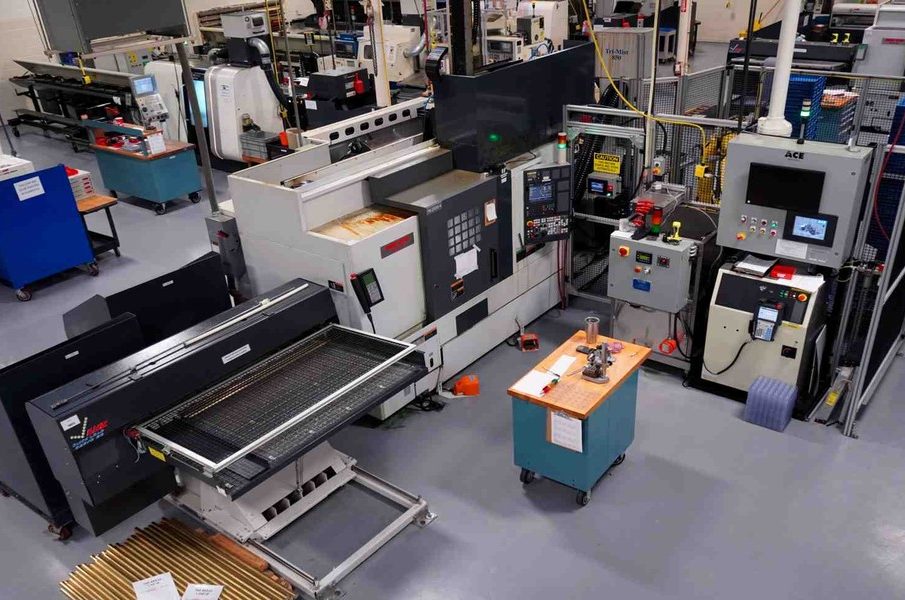
At its core, automotive precision machining often takes the form of Computer Numerical Control (CNC) machining. This subtractive manufacturing method uses computer-controlled tools to cut, grind, or drill raw materials into the desired shape. The advantages are clear: unparalleled accuracy, exceptional repeatability, and the ability to produce complex geometries that would be impossible with manual methods. This level of control allows for micron-level accuracy, ensuring that critical components meet stringent performance and safety standards.
Common precision machined parts found throughout a vehicle include:
- Engine Blocks and Components: Pistons, crankshafts, camshafts, cylinder heads, and valve components require extreme precision to ensure optimal combustion, minimize friction, and maximize fuel efficiency.
- Transmission Gears and Shafts: The smooth operation and longevity of a vehicle’s transmission depend on gears and shafts machined to exact specifications, reducing wear and ensuring seamless power transfer.
- Fuel System Components: Fuel injectors, fuel pumps, and fuel rails demand micron-level accuracy to control fuel delivery precisely, which is vital for engine performance and emissions control.
- Brake System Parts: Calipers, rotors, and anti-lock braking system (ABS) components rely on precision machining for consistent, reliable braking performance.
- Suspension and Steering Components: Bushings, steering knuckles, and hydraulic valves are machined to tight tolerances to ensure responsive handling, ride comfort, and vehicle stability.
Many manufacturers, like those who provide Staub high-precision machining and assembly, leverage advanced CNC equipment and multi-spindle screw machines to produce these parts in high volumes, often reaching tens of thousands of pieces daily for OEM projects. This capability to scale production while maintaining exacting standards is crucial for meeting the demands of the global automotive market.
Precision Machining and Automotive Safety Systems
The role of precision machining in automotive safety systems cannot be overstated. Every component that contributes to a vehicle’s ability to stop, steer, or maintain stability is a testament to the power of precise manufacturing. Brake calipers, for instance, must be machined to ensure even pressure distribution across brake pads, leading to consistent and effective stopping power. ABS sensors, which detect wheel speed, require precise mounting points to function accurately and prevent wheel lock-up during emergency braking.
Steering knuckles and suspension bushings are other examples where precision directly impacts safety. Accurately machined steering components ensure predictable and responsive steering, while precisely manufactured suspension parts contribute to vehicle stability and vibration reduction. In hydraulic braking and steering systems, the internal components of hydraulic valves must be machined to extremely tight tolerances to prevent leaks and ensure immediate, reliable response. The iterative development of precision parts, such as rollers and shafts, can significantly reduce vibration and noise, contributing not only to passenger comfort but also to the longevity and reliability of safety-critical systems.
Precision Machining and Automotive Power Electronics
As the automotive industry undergoes a transformative shift towards electrification, precision machining has evolved to support the unique demands of Electric Vehicles (EVs). Power electronics, electric drive units, and advanced thermal management systems are at the heart of every EV, and their components require a new level of manufacturing precision.
For electric drive units, precision machining is essential for creating the housings, shafts, and internal gears that transmit power efficiently from the electric motor to the wheels. Thermal management systems, critical for maintaining optimal battery and motor temperatures, rely on precisely machined components like cooling plates, which often feature intricate internal channels. Battery connectors and bus bars, responsible for safely and efficiently transferring high currents, require exacting tolerances to ensure secure connections, minimize resistance, and prevent thermal runaway. The integrity of component housings and the accuracy of signal transmission within these complex electronic systems are paramount, making precision machining an indispensable process in the EV revolution.
Advanced Technologies and Material Science in Manufacturing
The pursuit of perfection in automotive components is continuously driven by advancements in machining technologies and material science. Modern precision machining encompasses a diverse array of techniques, each suited for specific applications and materials.
Machining Technology Description Key Automotive Applications Typical Tolerances CNC Milling Multi-axis cutting using rotating tools, ideal for complex shapes. Engine blocks, transmission housings, chassis components. ±0.01 mm to ±0.05 mm Swiss Machining Lathe-based process where the workpiece moves past a stationary tool, excellent for small, intricate parts. Fuel injectors, sensor components, micro-shafts, pins. ±0.002 mm to ±0.01 mm Laser Machining Uses focused laser beams for cutting, drilling, and etching with high precision and minimal material distortion. Fuel injector nozzles, intricate sensor apertures, delicate electronic components. ±0.005 mm to ±0.02 mm 3D Printing (Additive Mfg.) Builds parts layer by layer, enabling complex geometries and rapid prototyping. Lightweight structural components, custom tooling, rapid prototyping of complex parts. ±0.05 mm to ±0.2 mm (depending on process) Beyond traditional CNC milling, multi-axis machining allows for simultaneous movement along several axes, enabling the creation of highly complex and intricate parts in a single setup. Swiss-type lathes, particularly, are renowned for their ability to produce small, highly precise components with tolerances down to an astonishing ±0.002 mm, making them ideal for mass production of critical micro-parts. Laser machining, with its focused energy, is perfect for creating tiny, precise holes, such as those found in fuel injector nozzles, which are crucial for efficient fuel atomization.
The integration of 3D printing, or additive manufacturing, has further expanded possibilities. While often used for rapid prototyping and tooling, it’s increasingly being employed for producing complex, lightweight structural components. Hybrid manufacturing combines both subtractive and additive techniques, allowing for the creation of parts with intricate internal structures and high-precision external features.
The materials used in automotive precision machining are as diverse as the components themselves, chosen for their specific properties:
- Aluminum Alloys (e.g., 6061-T6, 7075-T6): Valued for their high strength-to-weight ratio, they are extensively used in engine blocks, chassis components, and EV battery trays and frames to reduce overall vehicle weight and improve fuel efficiency.
- Stainless Steels (e.g., 304, 316, 17-4 PH): Offer excellent corrosion resistance and strength, making them suitable for exhaust systems, fuel system components, and structural parts exposed to harsh environments.
- Titanium Alloys (e.g., Ti6Al4V): Known for exceptional strength, low density, and high-temperature resistance, titanium is increasingly used in high-performance and lightweight applications, though it presents machining challenges due to its hardness.
- Engineering Plastics (e.g., POM, Nylon, PEEK): These materials provide properties like electrical insulation, low friction, and chemical resistance, finding applications in sensors, bushings, and various internal components. PEEK, in particular, offers high strength and temperature resistance.
- Carbon Fiber Composites: While not directly machined in the same way metals are, precision cutting and drilling of these lightweight, high-strength materials are crucial for structural components in high-performance vehicles and EVs.
The selection of these advanced materials, combined with sophisticated machining techniques, allows automotive manufacturers to push the boundaries of performance, safety, and efficiency.
Overcoming Challenges in Modern Vehicle Production
The path to manufacturing automotive components with extreme precision is not without its hurdles. Precision machining in the automotive sector faces several significant challenges, primarily stemming from the demanding requirements for performance, durability, and cost-effectiveness.
One major challenge is dealing with material hardness. Advanced materials like titanium alloys and certain high-strength steels, while offering superior performance, are notoriously difficult to machine. This leads to accelerated tool wear, requiring specialized tooling, advanced cooling techniques, and frequent tool changes, all of which can impact production efficiency and cost. Heat dissipation during machining is also critical, as excessive heat can deform the workpiece or degrade tool performance. Effective chip management is another concern, as chips can interfere with the cutting process, scratch surfaces, or cause tool breakage.
Despite these challenges, the automotive industry addresses them through continuous innovation in machining processes, cutting tools, and coolants. Furthermore, the immense pressure for cost efficiency and scalability means manufacturers must optimize every step of the production process. This includes automating tasks, leveraging multi-spindle machines for high-volume output (some facilities operate over 60 CNC machines and more than 50 multi-spindle screw machines, capable of producing 10,000 pieces daily), and implementing lean manufacturing principles.
Crucially, quality control is paramount. The automotive industry operates under some of the strictest quality standards globally. To ensure every part meets these rigorous demands, manufacturers employ:

- APQP (Advanced Product Quality Planning) and PPAP (Production Part Approval Process) standards: These frameworks guide the development and approval of new products and processes, ensuring quality from concept to launch.
- ISO 9001 certification: This international standard for quality management systems ensures consistent product quality and customer satisfaction.
- IATF 16949 certification: This is the automotive industry’s specific quality management standard, built upon ISO 9001 but with additional requirements tailored to the automotive supply chain. It focuses on defect prevention, variation reduction, and minimizing supply chain waste. Companies like Mecapal S.L. and Falcon CNC Swiss proudly hold both ISO 9001 and IATF 16949, demonstrating their commitment to automotive-grade quality.
- CMM (Coordinate Measuring Machine) inspection: These highly accurate machines measure the physical geometrical characteristics of a part, ensuring it matches the design specifications.
- Full traceability: Every component can be traced back to its raw material source, manufacturing process, and inspection data, which is vital for recall management and quality assurance.
- 100% in-line inspections: For critical components, every single part might be inspected during or immediately after the manufacturing process to catch defects early.
These stringent quality measures, combined with advanced manufacturing techniques, allow the automotive sector to overcome complex machining challenges and deliver reliable, high-performance vehicles.
Future Trends in Precision Machining and Automotive Electrification
The automotive landscape is undergoing a profound transformation, driven by the rapid EV transition, the advent of autonomous vehicles, and an unyielding demand for greater lightweighting and fuel efficiency. Precision machining is at the forefront of enabling these shifts.
For electric vehicles, precision machining is critical for components within battery systems, power electronics, and electric drive units. This includes manufacturing intricate cooling plates for thermal management, precise connectors and bus bars for battery packs, and high-tolerance gears for electric motors. The need for lightweighting to extend EV range and improve efficiency means machining ever-lighter materials like aluminum and composites with extreme accuracy.
The rise of autonomous vehicles introduces new demands for precision in sensor housings, mounting brackets, and communication components. These parts must be manufactured to exacting standards to ensure the reliable function of lidar, radar, and camera systems.
Even in conventional internal combustion engines, precision machining continues to evolve. For example, the production of high-pressure fuel rails and micro-machined nozzles for fuel injectors is continuously refined to optimize combustion, reduce emissions, and enhance fuel efficiency. Companies with decades of experience, such as Panek Precision, have adapted from traditional ride control and exhaust components to modern fuel injection systems, showcasing the industry’s continuous evolution.
Beyond specific components, the future of precision machining in automotive is also shaped by a commitment to sustainable manufacturing. This involves optimizing material usage to reduce waste, implementing energy-efficient machining processes, and exploring new ways to recycle materials. Automation, including automated bar feeding and robotic handling in machining cells, is becoming more prevalent, improving efficiency, consistency, and worker safety. The focus on reducing noise and vibration through precisely engineered micro-components also contributes to a more refined and sustainable automotive experience.
Frequently Asked Questions about Automotive Machining
What are the most common parts made through precision machining?
Precision machining is essential for a vast array of automotive components. Some of the most common include engine parts like pistons, crankshafts, cylinder heads, and valve components; transmission gears and shafts; fuel system elements such as fuel injectors and pumps; braking system parts like calipers and rotors; and steering and suspension components including knuckles, bushings, and hydraulic valves. Micro-parts like rollers, bearings, and various fittings are also frequently produced with high precision.
Why is IATF 16949 certification important for automotive suppliers?
IATF 16949 is the international quality management system standard specifically for the automotive industry. It’s built upon ISO 9001 but includes additional, stringent requirements unique to automotive manufacturing. For suppliers, this certification is crucial because it demonstrates a commitment to preventing defects, reducing variation, and minimizing waste throughout the supply chain. It’s often a mandatory requirement for Tier 1 and Tier 2 suppliers to Original Equipment Manufacturers (OEMs) in the automotive sector, ensuring consistent quality and reliability across the entire industry.
How does precision machining support the transition to electric vehicles?
Precision machining is fundamental to the EV transition by enabling the production of critical components for electric powertrains. This includes precisely machined housings for electric motors and gearboxes, intricate cooling plates for thermal management of batteries and power electronics, and high-tolerance connectors and bus bars for battery systems. It also supports lightweighting efforts by accurately machining lighter materials like aluminum and composites for battery trays and structural components, which are vital for extending EV range and improving efficiency.
Conclusion
The journey from raw material to a high-performance vehicle component is a testament to the power of precision engineering. In the automotive industry, where the stakes are incredibly high for safety, performance, and reliability, precision machining is not just a technique-it is a foundational pillar. From the intricate workings of an engine to the sophisticated systems of an electric vehicle, every part’s integrity relies on the exacting standards achieved through advanced machining processes.
We have seen how a diverse array of technologies, from multi-axis CNC machines and Swiss lathes to laser machining and 3D printing, collaborate to meet the industry’s rigorous demands. We’ve also explored how material science continually pushes boundaries, enabling lighter, stronger, and more durable components. Overcoming challenges like material hardness and tool wear is a continuous process, driven by a commitment to quality control, exemplified by certifications like ISO 9001 and IATF 16949.
As the automotive world accelerates towards electrification and autonomous driving, precision machining will remain an indispensable partner, enabling innovation and ensuring the flawless performance of tomorrow’s vehicles. The relentless pursuit of engineering excellence, combined with strategic manufacturing partnerships, ensures that every component, no matter how small, contributes to the overall safety, efficiency, and driving experience we expect from modern automobiles.